Portugal: Medieval Times, Gardens, & Academia
After an entire week in Porto, I headed to my next destination - Coimbra. This medieval city was once the capital of Portugal and is the site of the country’s oldest university. As a fan of both medieval history and scholarly pursuits, Coimbra seemed a no-brainer for me. I also find that university cities, wherever they exist in the world, tend to have very pleasant atmospheres and exceptionally diverse food options.
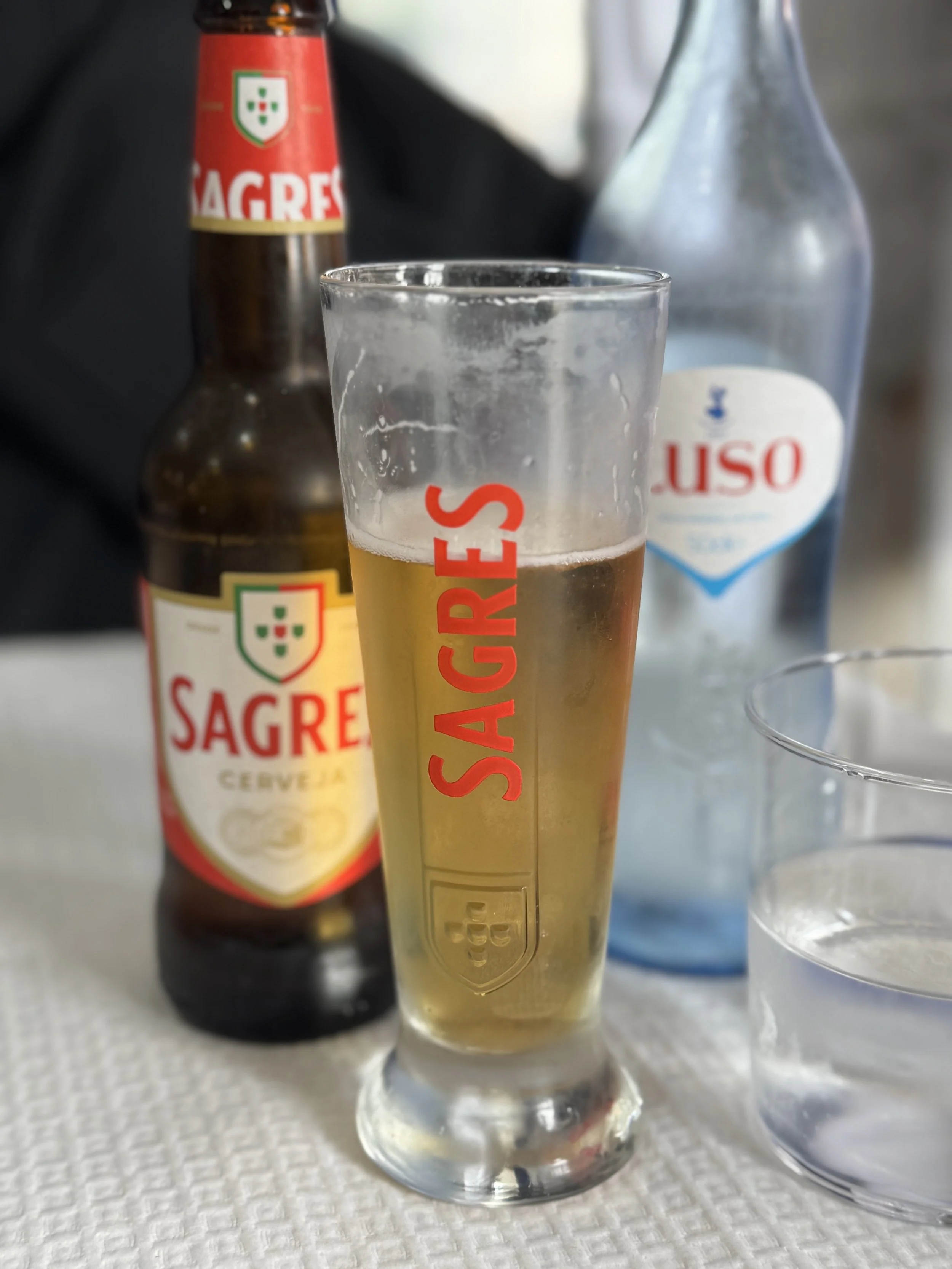
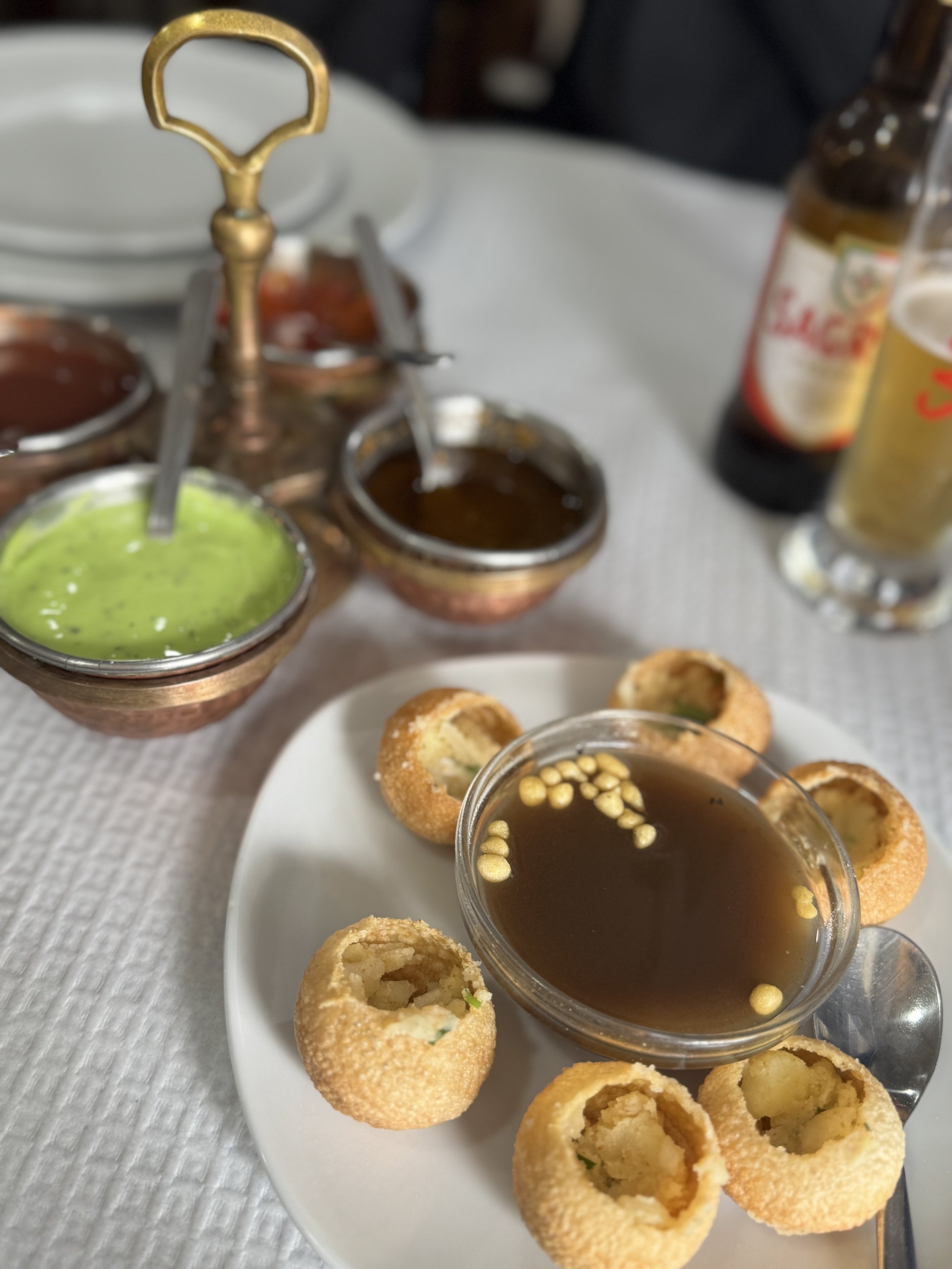
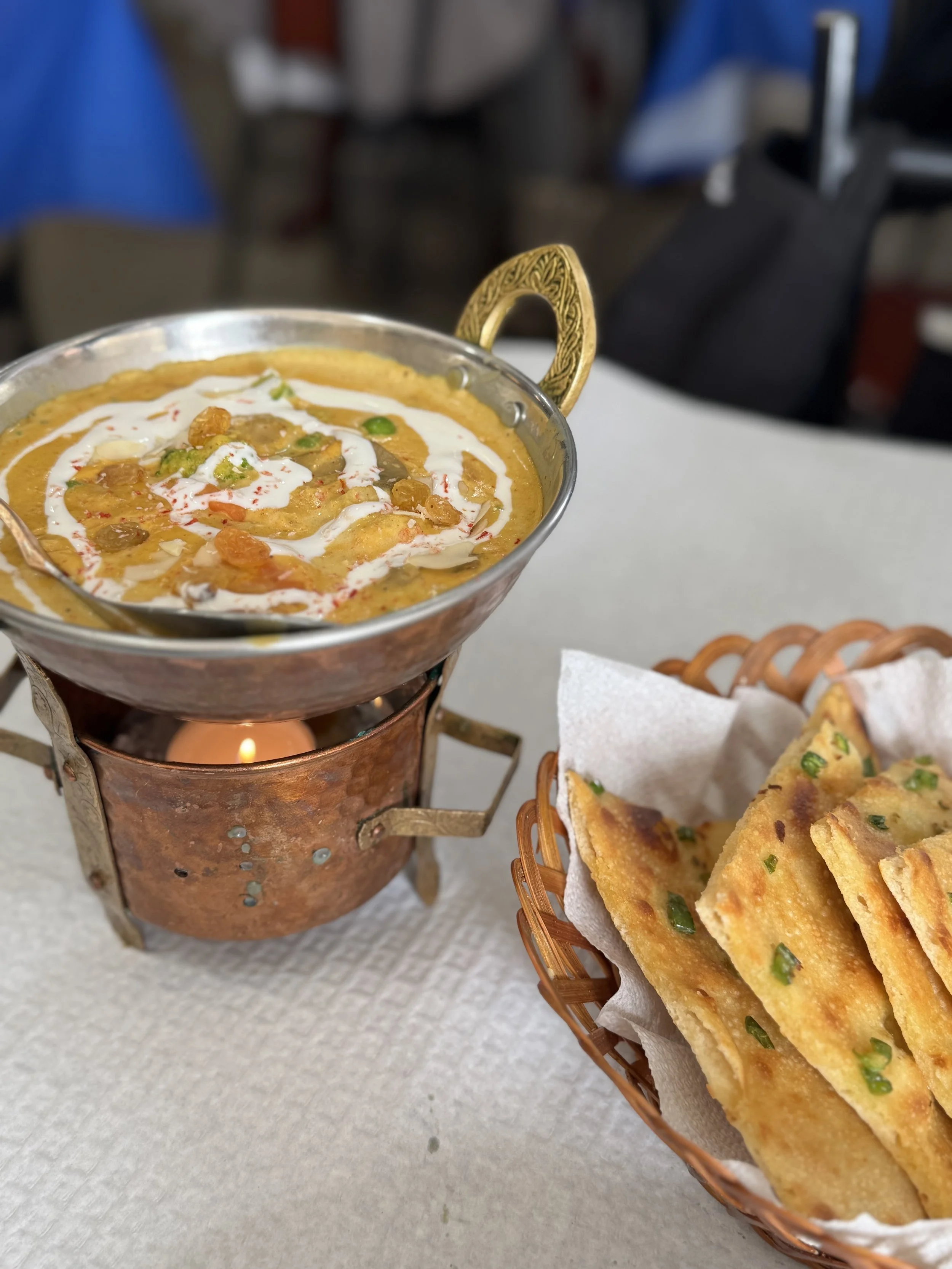
Thus, I began my relatively short travel day, packing up and leaving my loft apartment. I walked a short distance to the metro at Contumul, then took a train from Companha to Coimbra. I arrived hours before I could check-in to my new accommodation, so I sought out a lunch spot to bide the time and satisfy my growing hunger for Asian food. I found a small Indian restaurant and tried panipuri for the first time. I still marvel at the never ending list of foods I haven’t tried or even heard of; it is exhaustive. I had heard of this Indian snack food, but had just never had it myself.
Restaurant - Taj Indian Restaurante
I then walked about half a mile to my hotel, which was more like a small studio apartment complete with a kitchen. After a bit of confusion at check-in, I got settled in and then immediately set out to find a market nearby. I picked up some provisions for the next few days, returned to my studio, and began to plan the next day’s excursions.
TRAVEL ADVICE/THOUGHTS:
Travel is not gender neutral.
This isn’t specific to my trip to Portugal. This is more an ongoing and growing opinion of mine. In doing research for my travel, I come across social media posts about the “art of traveling,” as it were. And, I find it somewhat divided. Iconic travel journalist Anthony Bourdain is notable not just for his inherent charisma and narrative prowess, but for his ability to travel without a plan. Booking nothing but flights, trusting the advice of locals, going with the flow, and leading him on travels unimaginable.
Now, I understand the appeal of this kind of traveling, but it is just not realistic for me. Why? Because I am a woman. It is as simple as that. I don’t think I need to explain the deeply ingrained methods of self-preservation that women are raised and forced to abide. It is systemic. It is cultural. It is our reality. So, no, I will not be like Anthony Bourdain. Because that’s not who I am, nor is it who I am allowed to be. I will make a plan. I will book stays and excursions in advance. I will share my detailed itinerary with family members. And is my travel less valuable than his? No, I don’t think so. Is it different? Absolutely. We walk through the world differently. How could we travel the same?
Be a tourist!
I come across posts on Instagram from time to time touting the importance of not falling into tourist traps, finding the “hidden gems,” and experiencing life traveling like a local. While I agree with parts of this logic, I don’t think it fair to deny a tourist the joy of being a tourist. When I go to Edinburgh, I want to visit Edinburgh Castle. When I go to London, I want to go to the Tower. If I go to Paris, I want to see the Eiffel Tower. There is absolutely nothing wrong with wanting to experience the historic sites, monuments, and landmarks for which a country or place is globally known. And just because millions of other people have also seen and experienced them, my visit is still valuable to me. (And, I am a tourist anywhere I go, so to pretend otherwise is really just pretentious).
THE HIGHLIGHTS FOR ME WERE:
Designated a UNESCO World Heritage Site, the University of Coimbra is the oldest university in Portugal, built in 1290. The university has been the center of the city for centuries and remains still. It was my main motivation for choosing to visit Coimbra, as I am interested in both medieval history and academics. And, every time I visit a university city, I find really good food. Coimbra was no exception to this. Upon my arrival, I found some amazing Indian food, and in the days that followed, I went to two Korean restaurants. If it is not already apparent, Asian cuisine is my comfort food. So, when I am traveling, it grounds me.
Being the central focus of the city, both literally and figuratively - the university is set up high atop a hill, looking down over Coimbra. Most of the outings I planned involved the school. It is still an active university, but you can visit parts of the university as a tourist - the Joanina Library, the Royal Palace of Schools, and the Chapel of San Miguel. I booked a ticket in advance, choosing a time slot to enter the Library. I almost missed my entry time, as I severely underestimated the amount of time it would take me to climb up to the Alta e Sofia.
Baroque Library - Joanina Library
“This was my first day of really seeing Coimbra. As I walked into the city, I was overwhelmed, my eyes flitting around, not sure what to focus on first. I was instantly regretting sleeping in because I didn’t have much extra time to get to the Library. I booked an entrance at 11:00. And the email told me not to be late. The map directions had me there in forty minutes, and I gave myself an hour.
I crossed the street when I shouldn’t have, but the Mondego River called to me! And then I headed down the street the wrong way, so now I was in a time crunch. But, I righted myself and was back on track. Then, I began the uphill part of the walk. And oh my god, the steps. So many stairs.
Although I was comfortable in my jacket at the start of my walk, after those stairs I was hot. I made it to the top, right outside the library entrance. I allowed myself a sip of water and then headed to the entrance. The lady looked at my ticket, said I was late, but she still let me in. Thank goodness.” - Journal Entry, 2.21.25
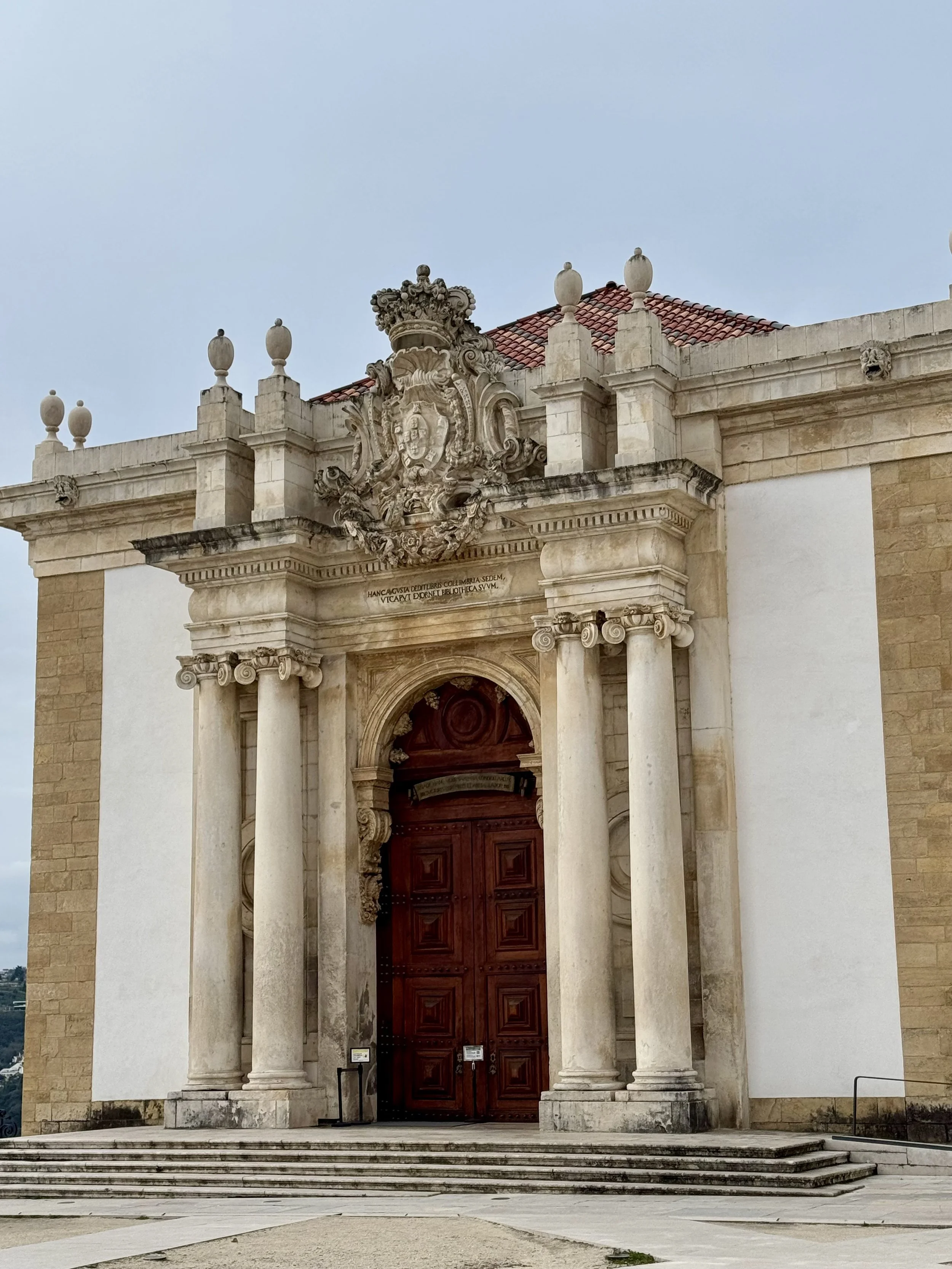
Joanina Library
“The first floor was the academic prison. The next floor was a special exhibition talking about digitizing the library. Then, we finally ascended to the Noble Floor. You weren’t allowed to take photos here. Let me try to describe it.
It was two large rooms, both with two stories of books lining the walls. There were doors in the corners of the rooms, to access the books above. There were ornate carvings along the edges of the bookshelves, some resembling angels and others gargoyles.
The interior room hosted a large royal portrait on the center wall and two long wooden tables with benches, where I could picture scholars pouring over books. There were also a couple small rooms, almost like study nooks, that were simple. The library is apparently home to bats, and they help with pest control.” - Journal Entry, 2.21.25
Built in the 10th century, this was the first Portuguese royal household.
“This was probably my favorite part. You enter in the armory and then turn left onto a long hallway. To the right are windows overlooking the city of Coimbra and the river below. To the left are small alcoves to look down at the Great Hall of Acts. The next room was a private exam room. The walls were lined with portraits of rectors.” - Journal Entry, 2.21.25
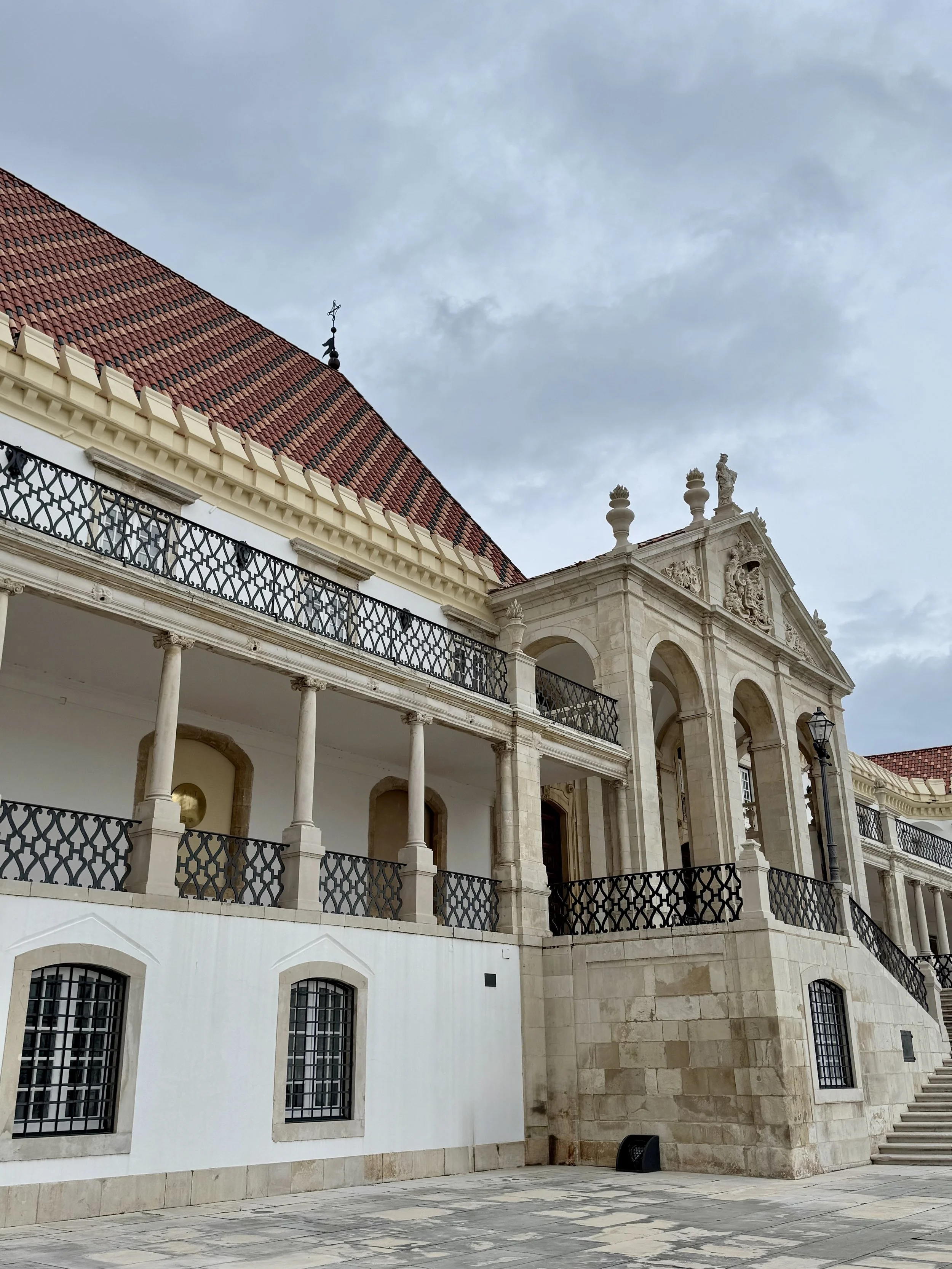
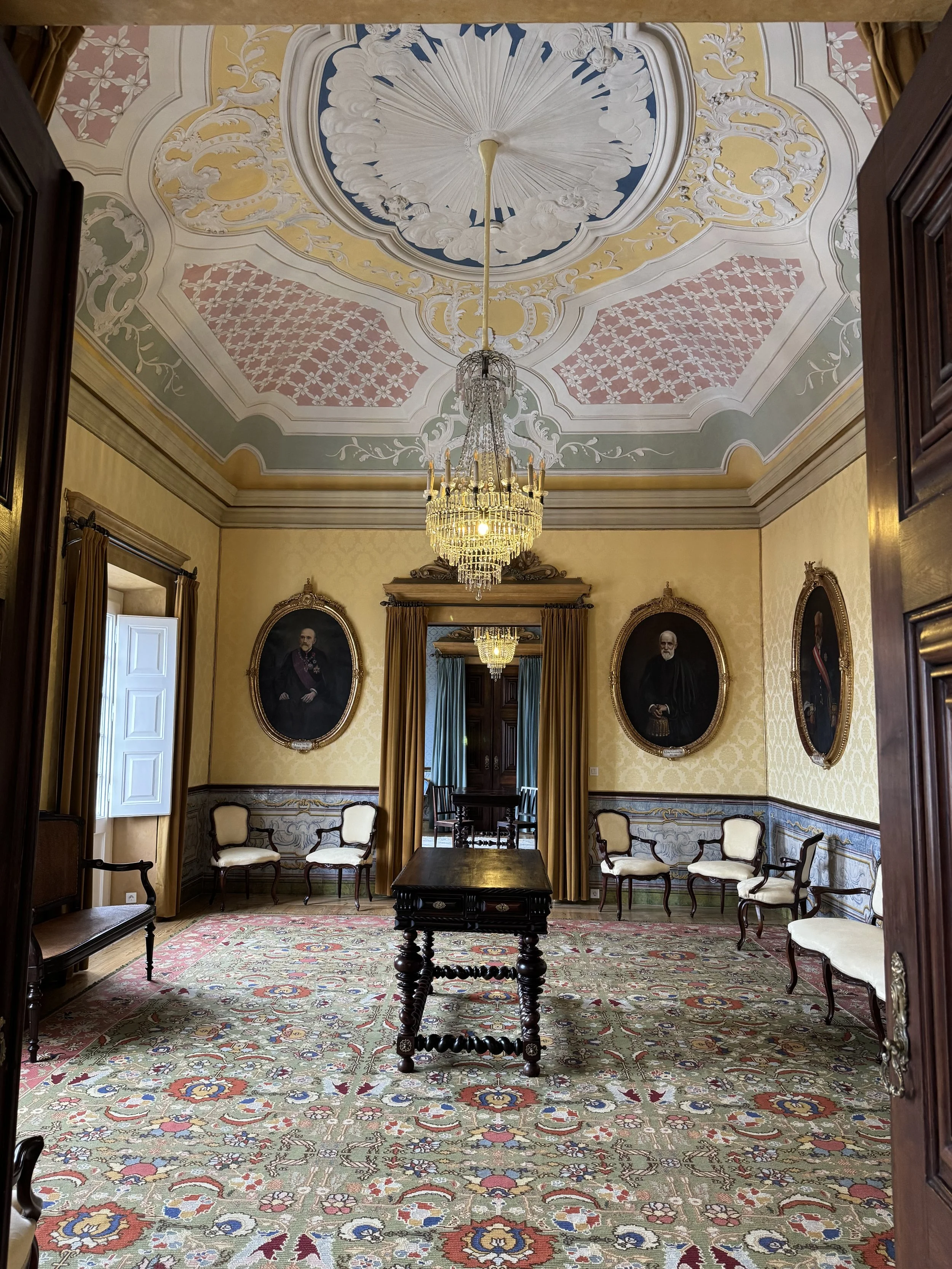
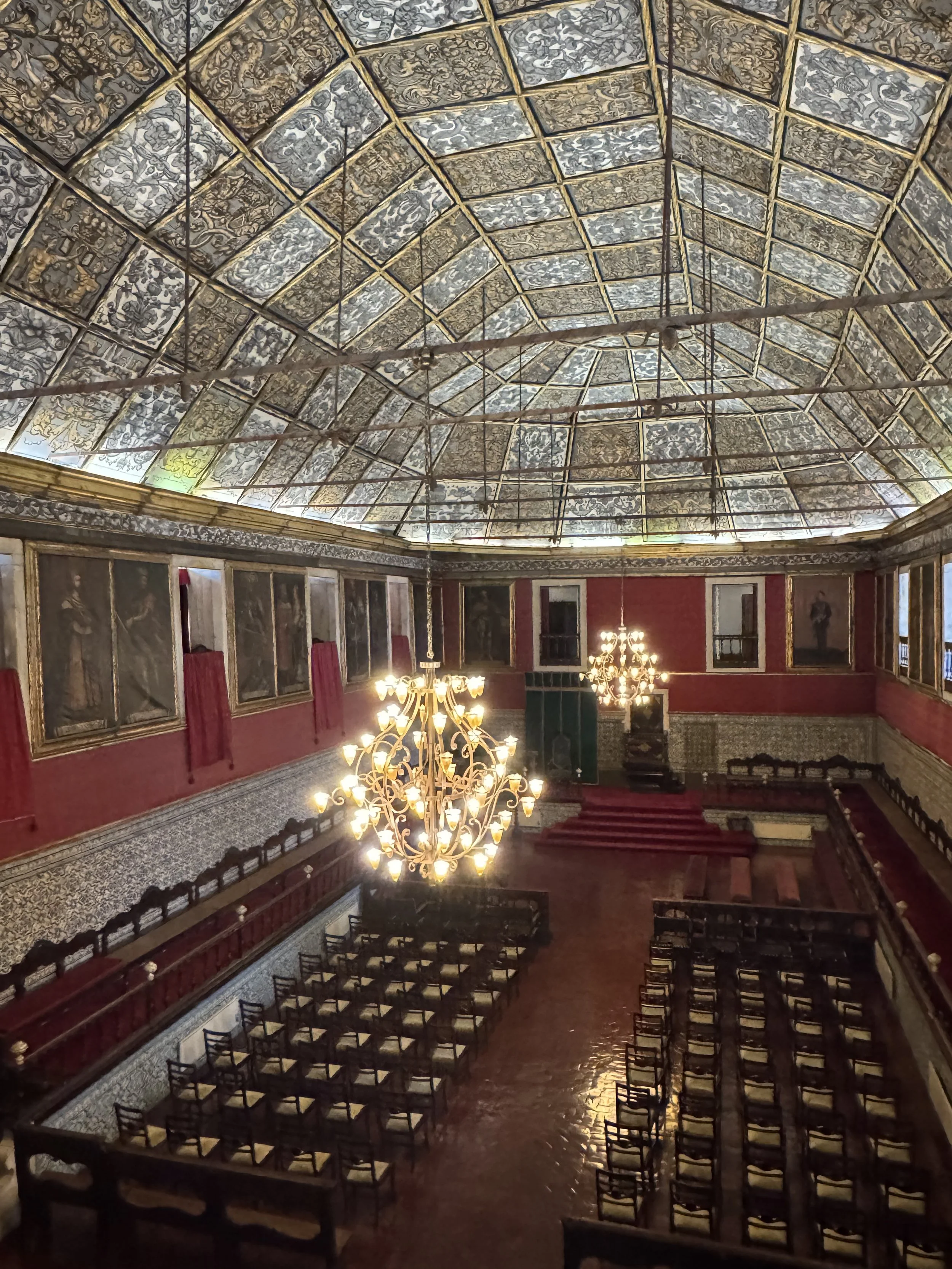
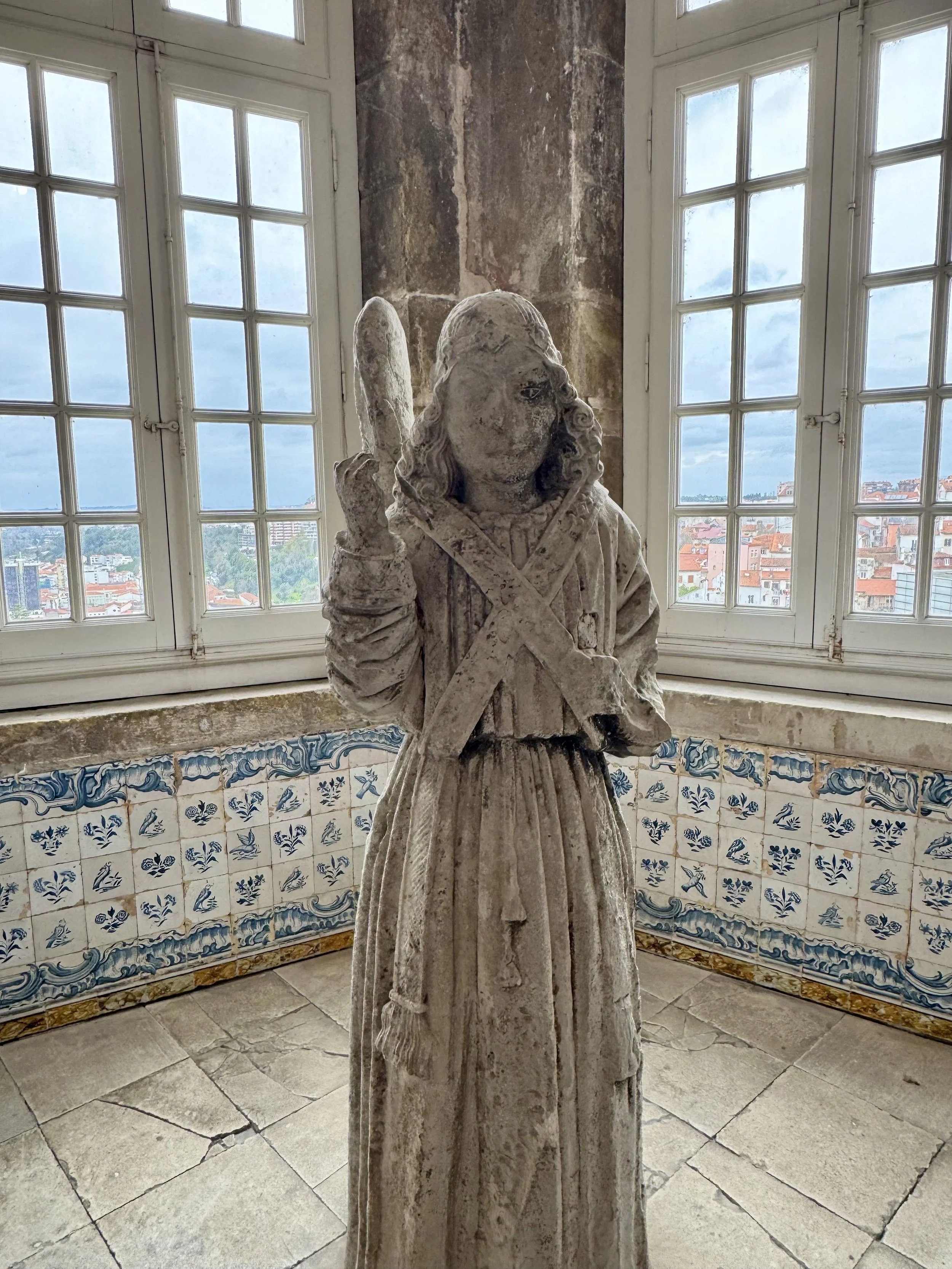
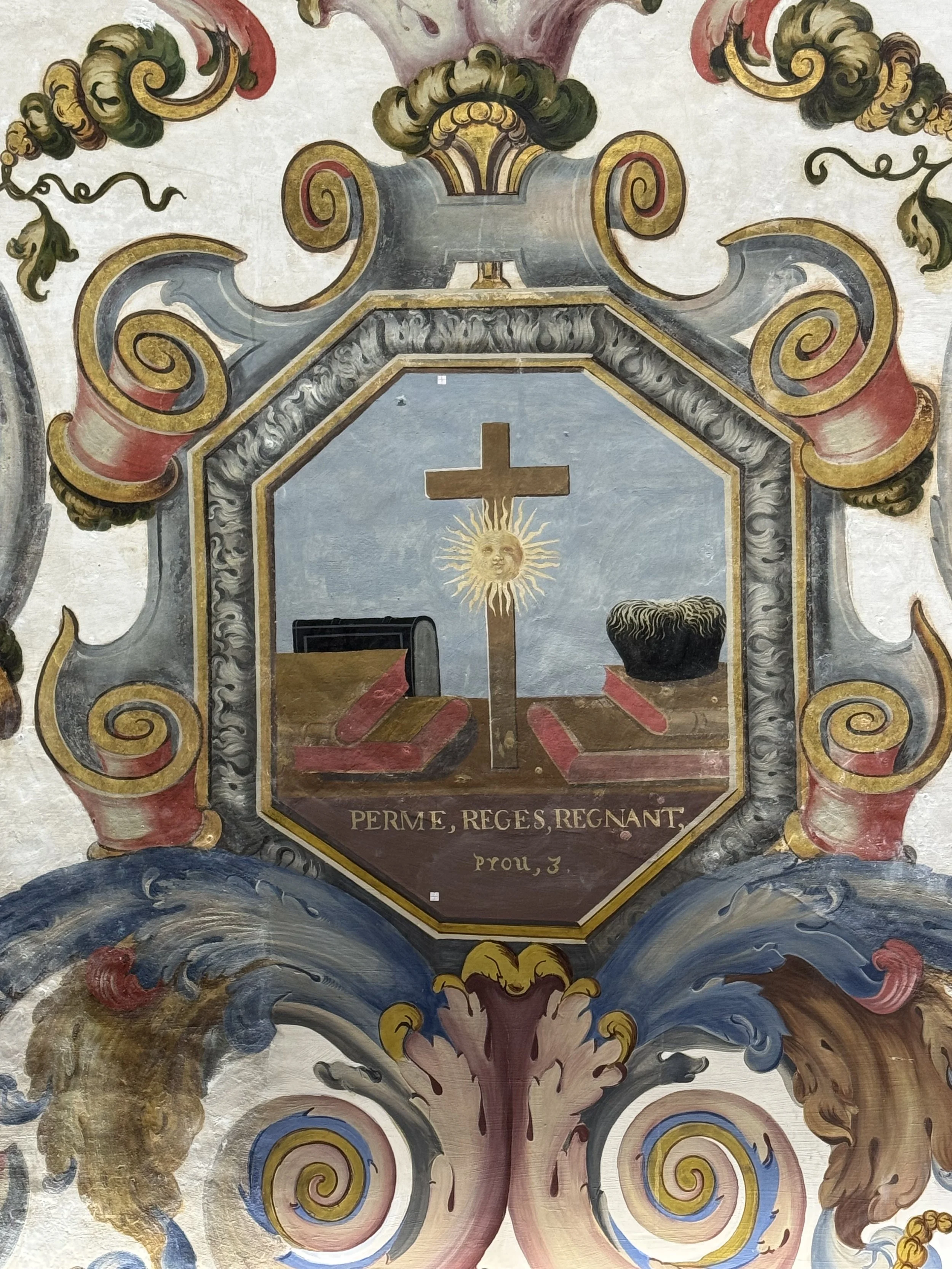
After exploring the university and walking around campus, it began to rain. Unfortunately, the umbrella I had packed was in bad shape. After struggling with it for a while, I gave up, threw it away, and decided to dry off in a museum. I knew very little about the museum I was entering, only that it was an art museum. I began the tour underground and was transported to a world of ancient Roman history. This was a very welcome surprise for me, and this museum ended up being a highlight of my time in Coimbra.
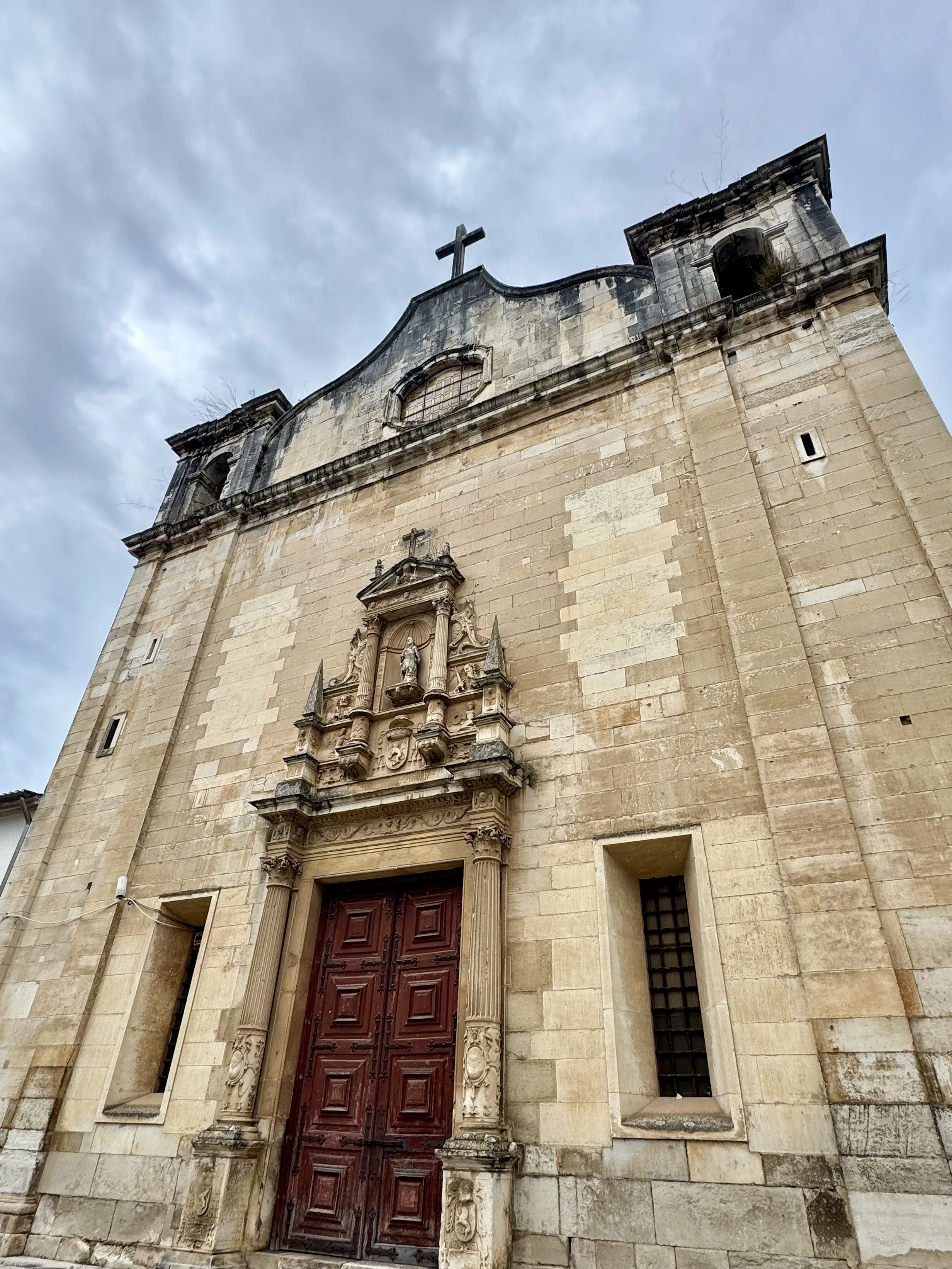
National Museum Machado de Castro
“This was a very well laid out museum, and the staff was so helpful. They directed you through each section in a certain order. You begin below ground in the tunnels of the ancient Roman city of Aeminium. This felt like walking through a labyrinth, but not in a terrifying way. The ceilings were lit throughout, so even though I was underground, it felt like a large open space.
The next space was sculpture, beginning with ancient ruins and then progressing through history. Most of the artwork was religious in nature. There was also a ceramic exhibit. It was mostly sculpture, including sculptures of Jesus and the disciples from The Last Supper. There was also a precious metals exhibition, which again was religious artifacts.
By the time I finished, I was a little tired. The museum was very extensive!” - Journal Entry, 2.21.25
Join me as I visit the museum HERE.
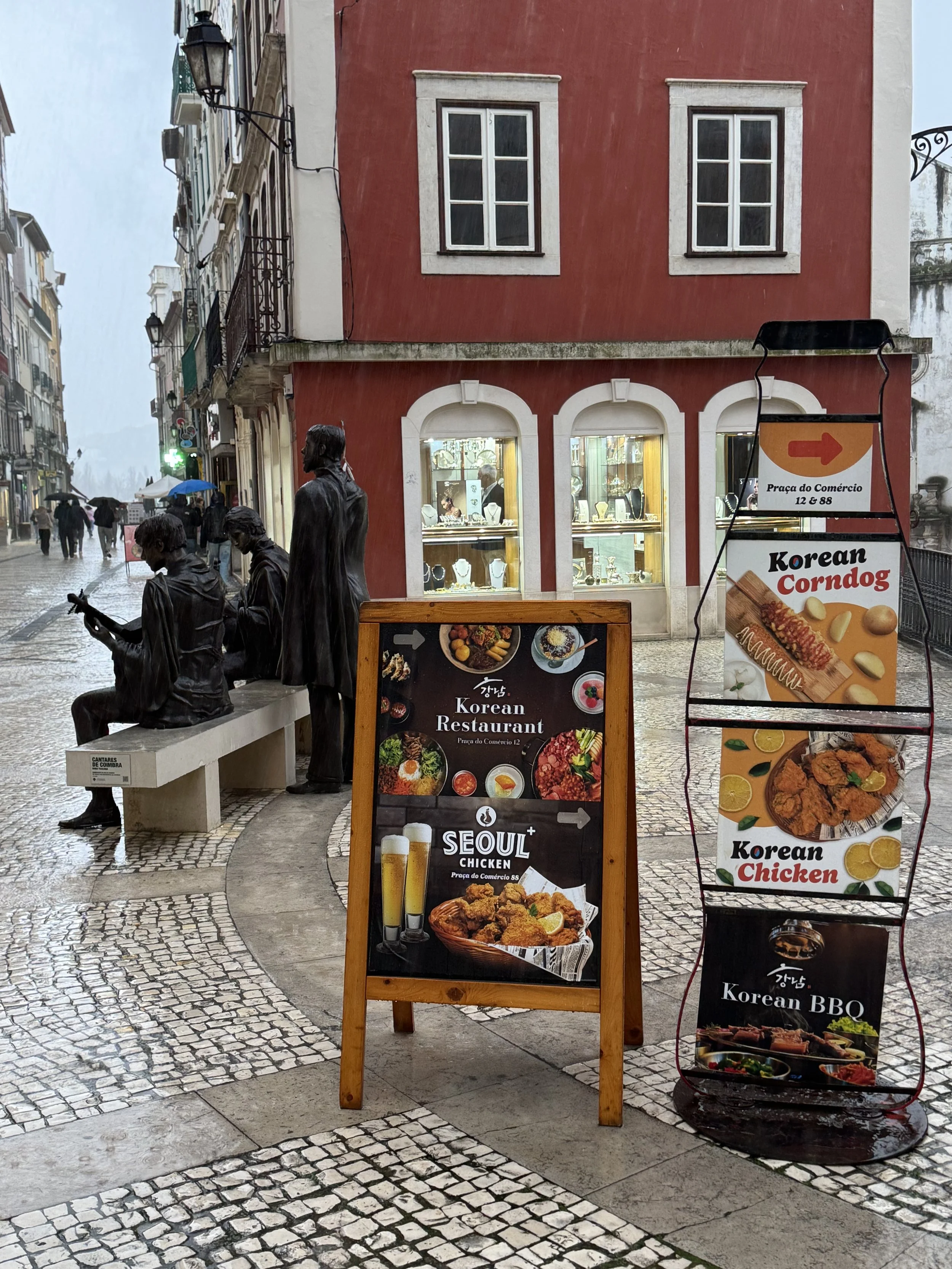
Restaurant - Seoul Chicken
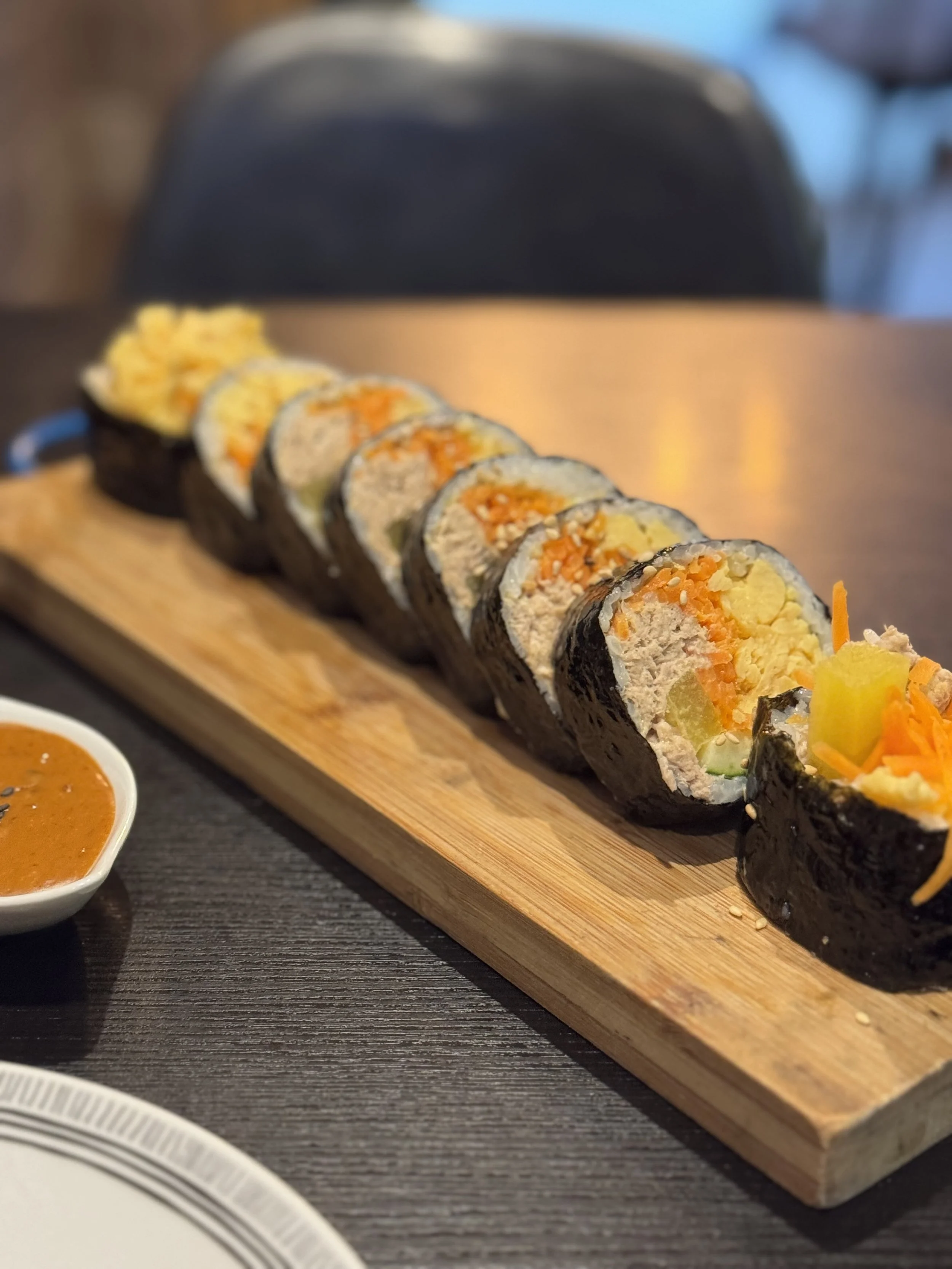
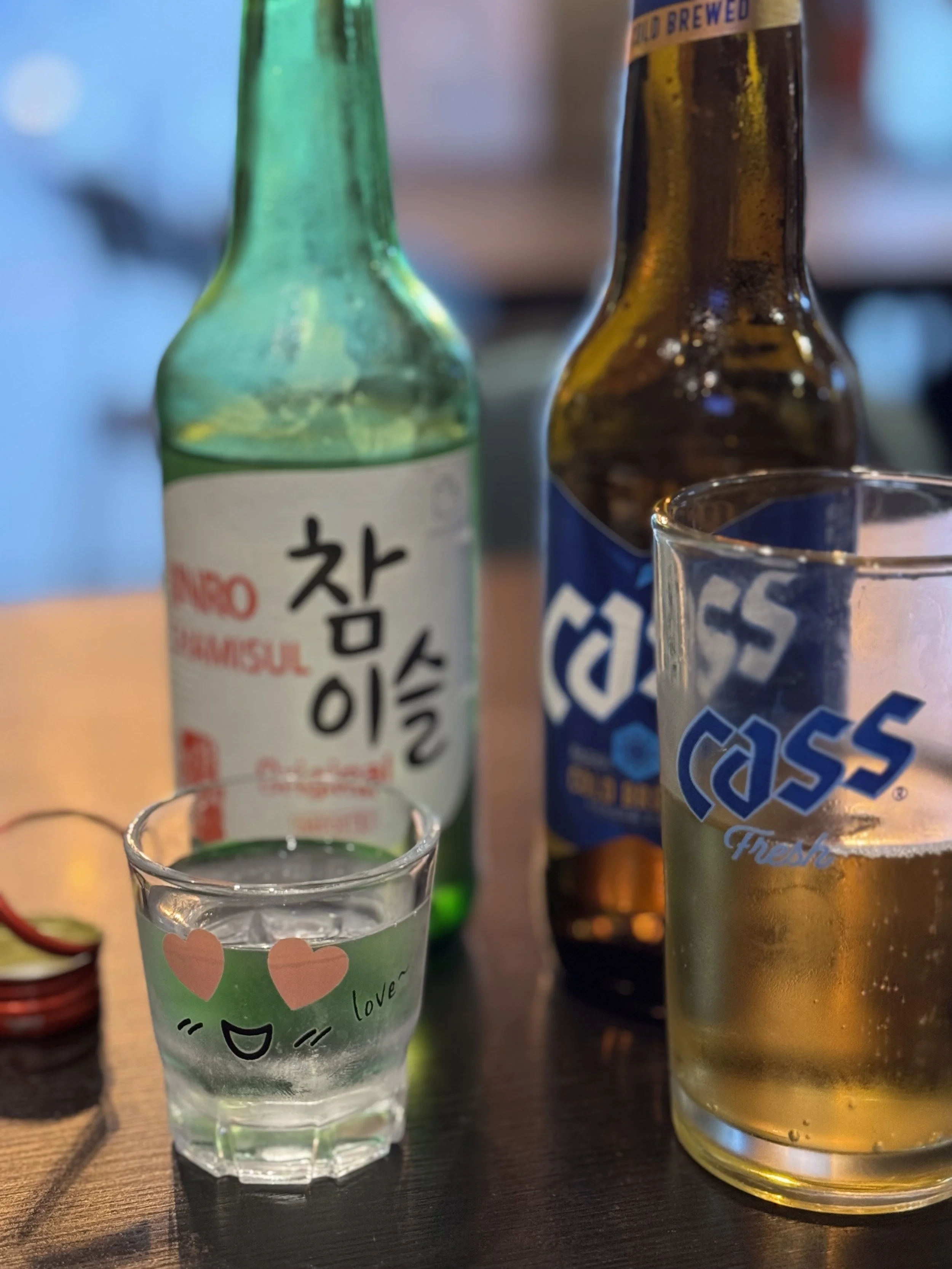
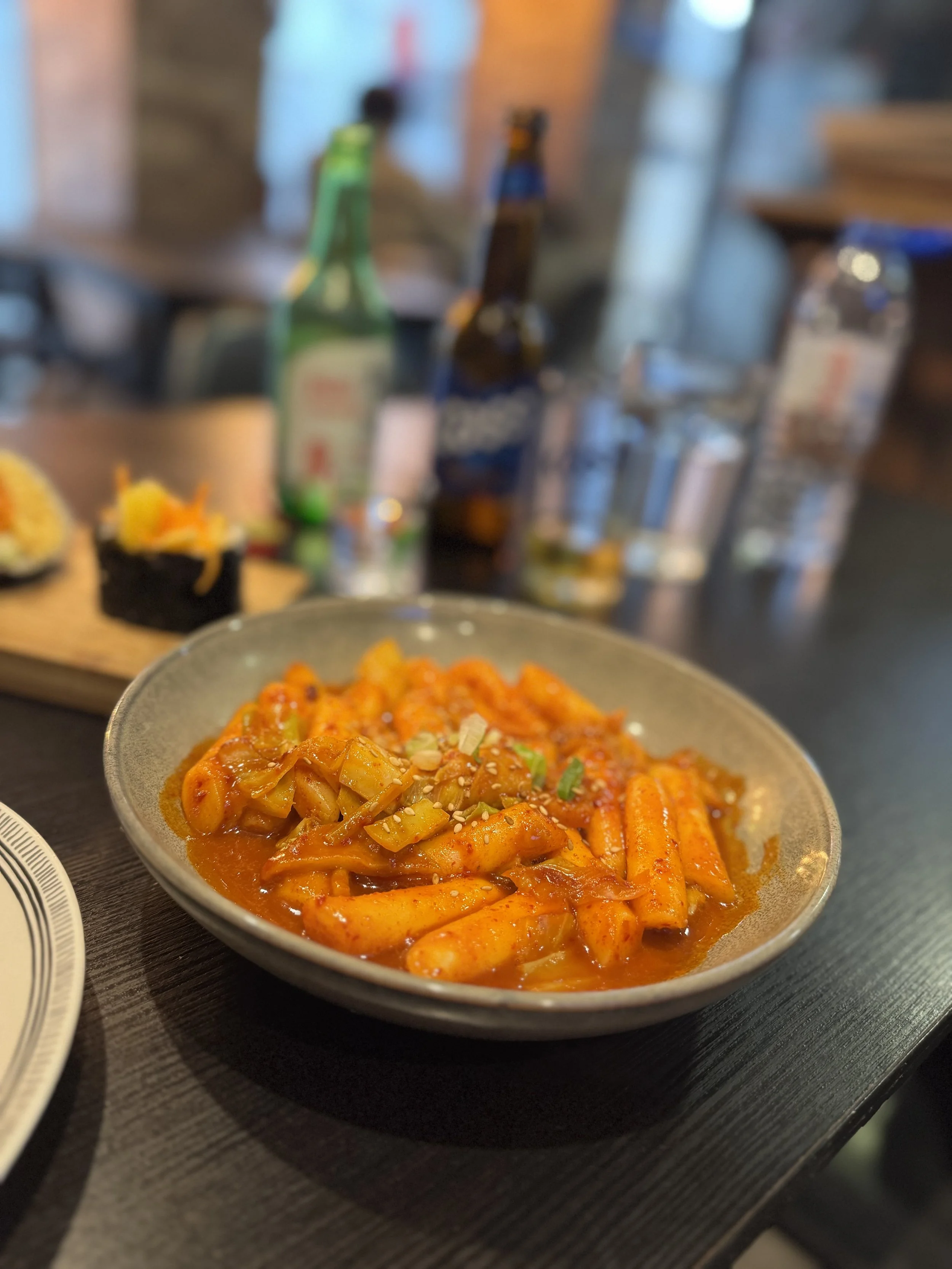
This was the first of two Korean restaurants I visited in Coimbra. I ordered a tuna kimbap and some tteokbokki. The portions were huge, and the soju was especially tasty on this rainy day.
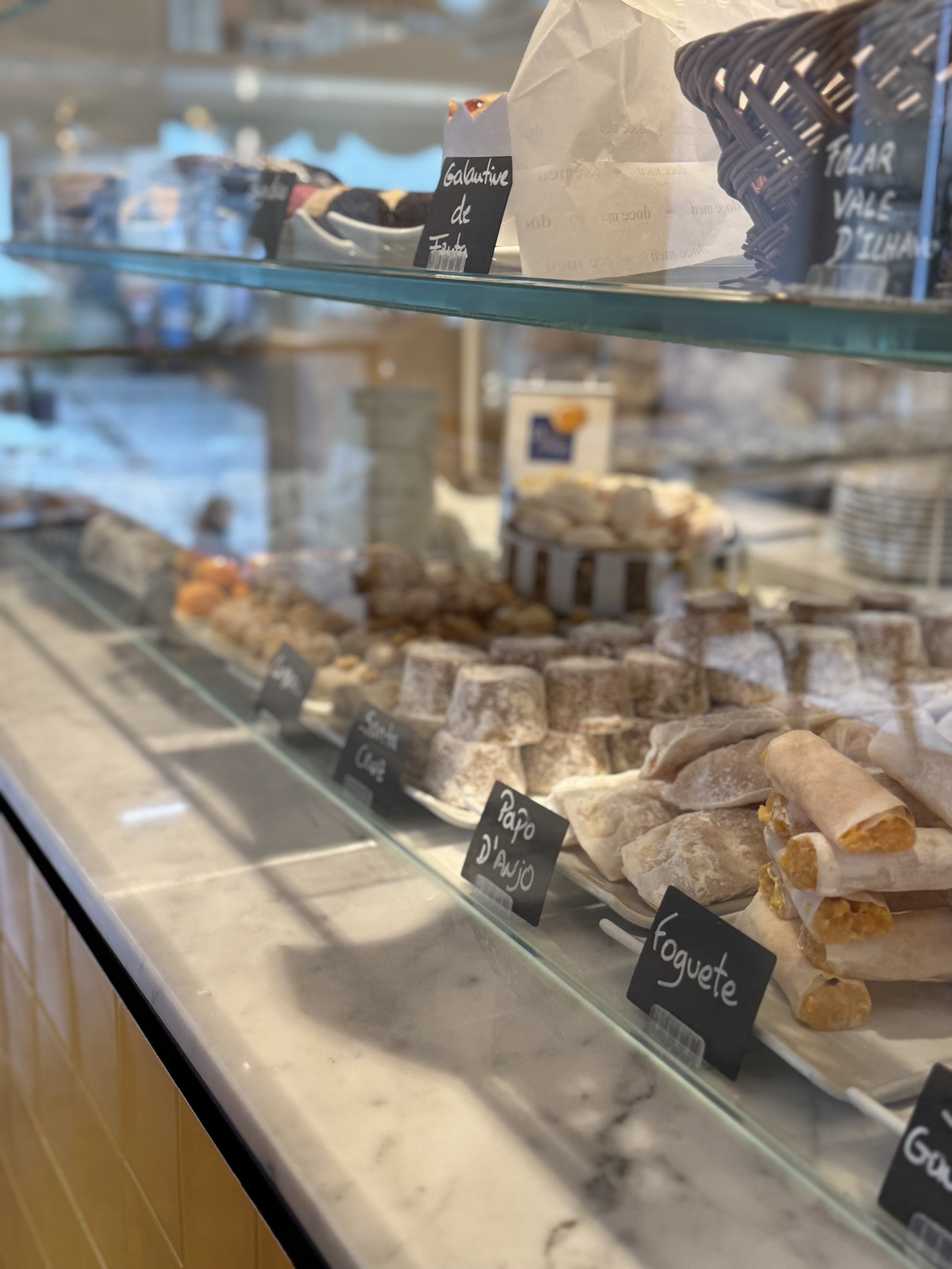
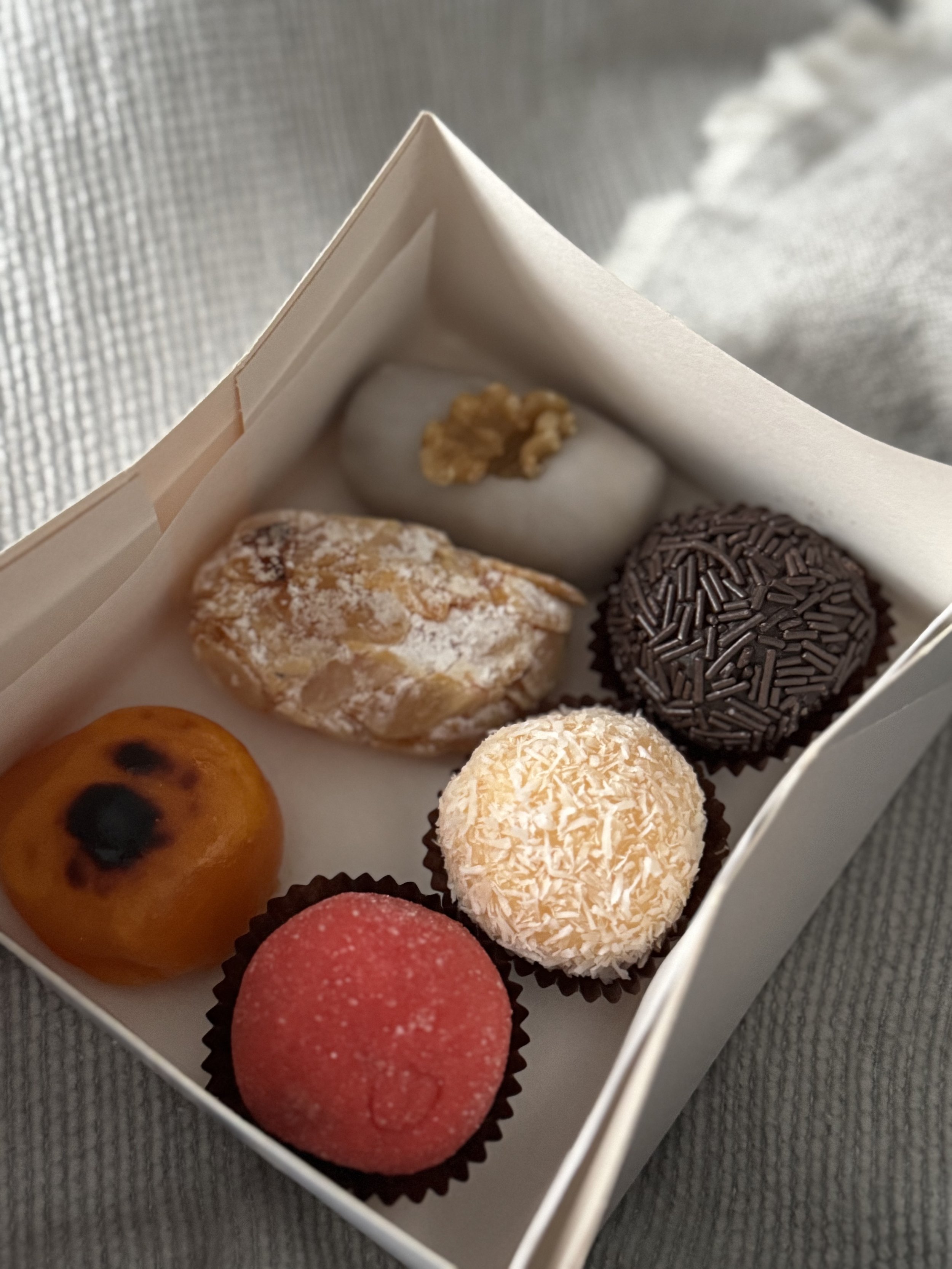
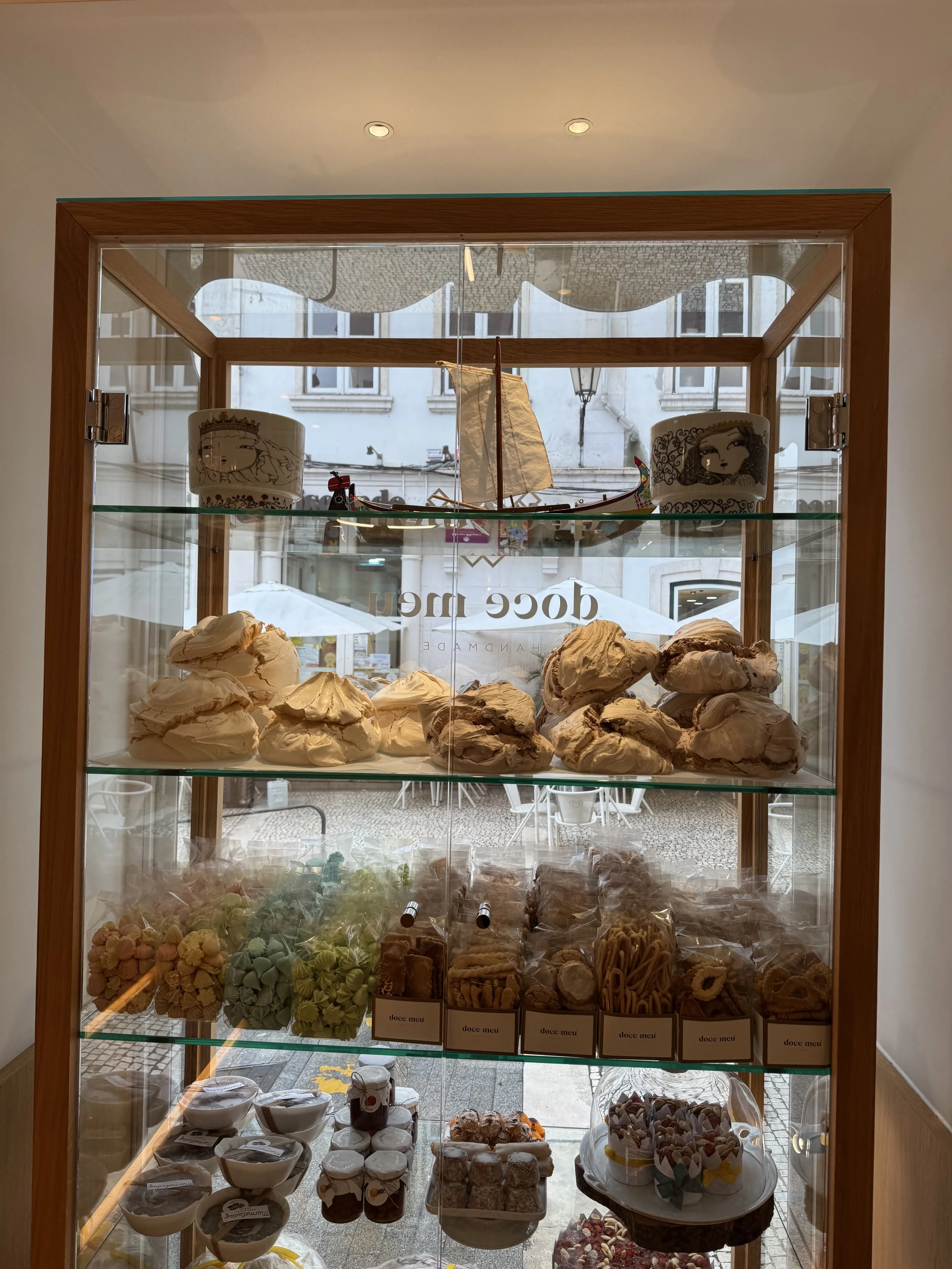
Bakery - Café Confeitaria Doce Meu
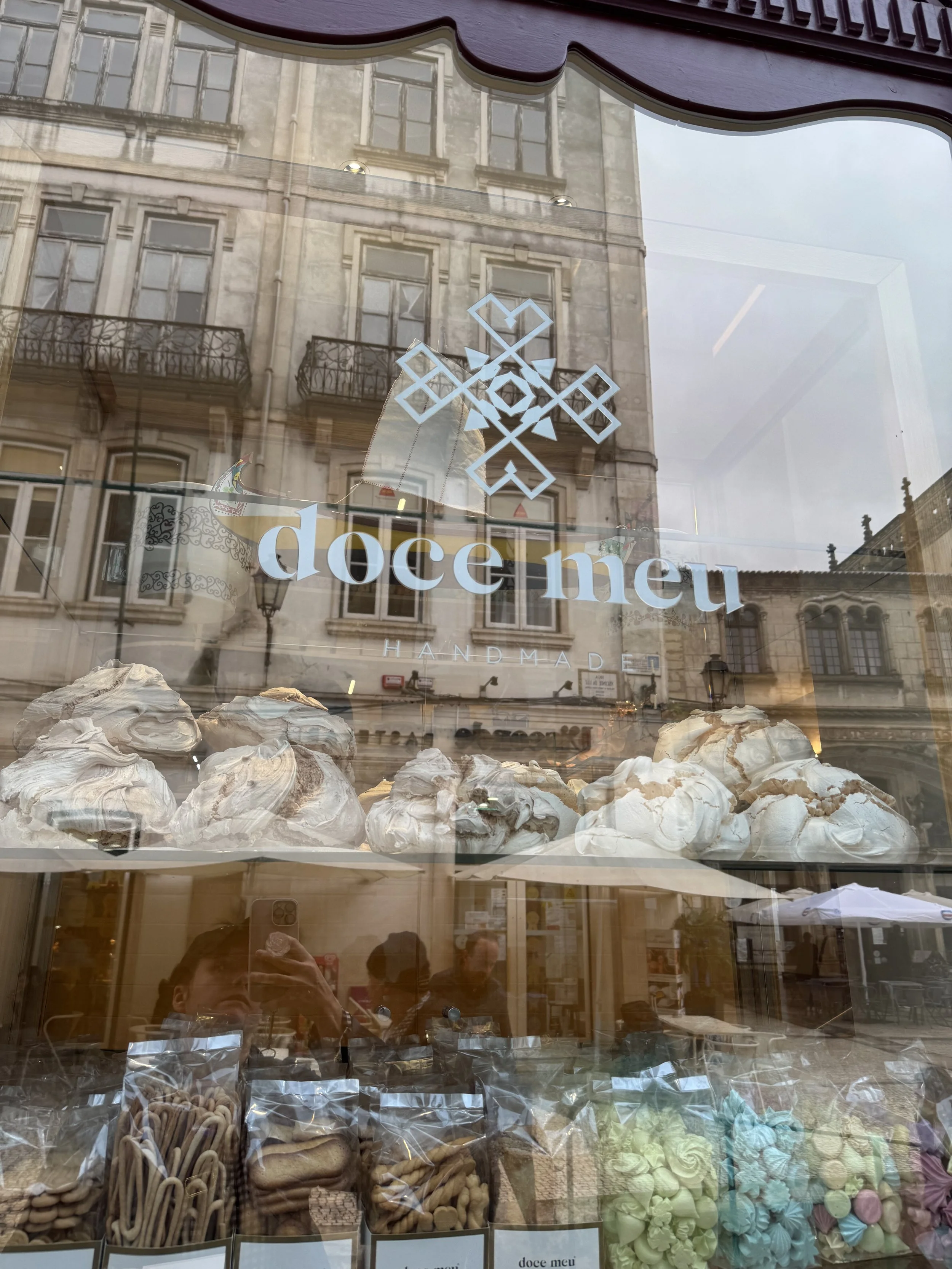
My favorite bites in Coimbra were from this bakery. I stopped in here after dinner one night and picked out an assortment of confections. They were very similar to the ones I tried in Arouca. They had the BEST brigadeiro - not too sweet.
In keeping with the theme, my second day in Coimbra involved more university-affiliated activities. When traveling, I tend to seek out green spaces, whether they be community parks or botanical gardens, so visiting the university’s garden was a no brainer. The Botanical Garden was founded in 1772 and acts as a space for beauty, research, and conservation. I for one, generally go for the beauty. The tropical greenhouse is touted as being one of the best, but sadly, it wasn’t open when I visited. It was still a wonderful start to my day, coffee in hand, marveling at flowers and trees. One tree in particular stood out among the rest - its roots rippling over the ground like primeval serpents swarming the earth. It was quite a sight to behold!
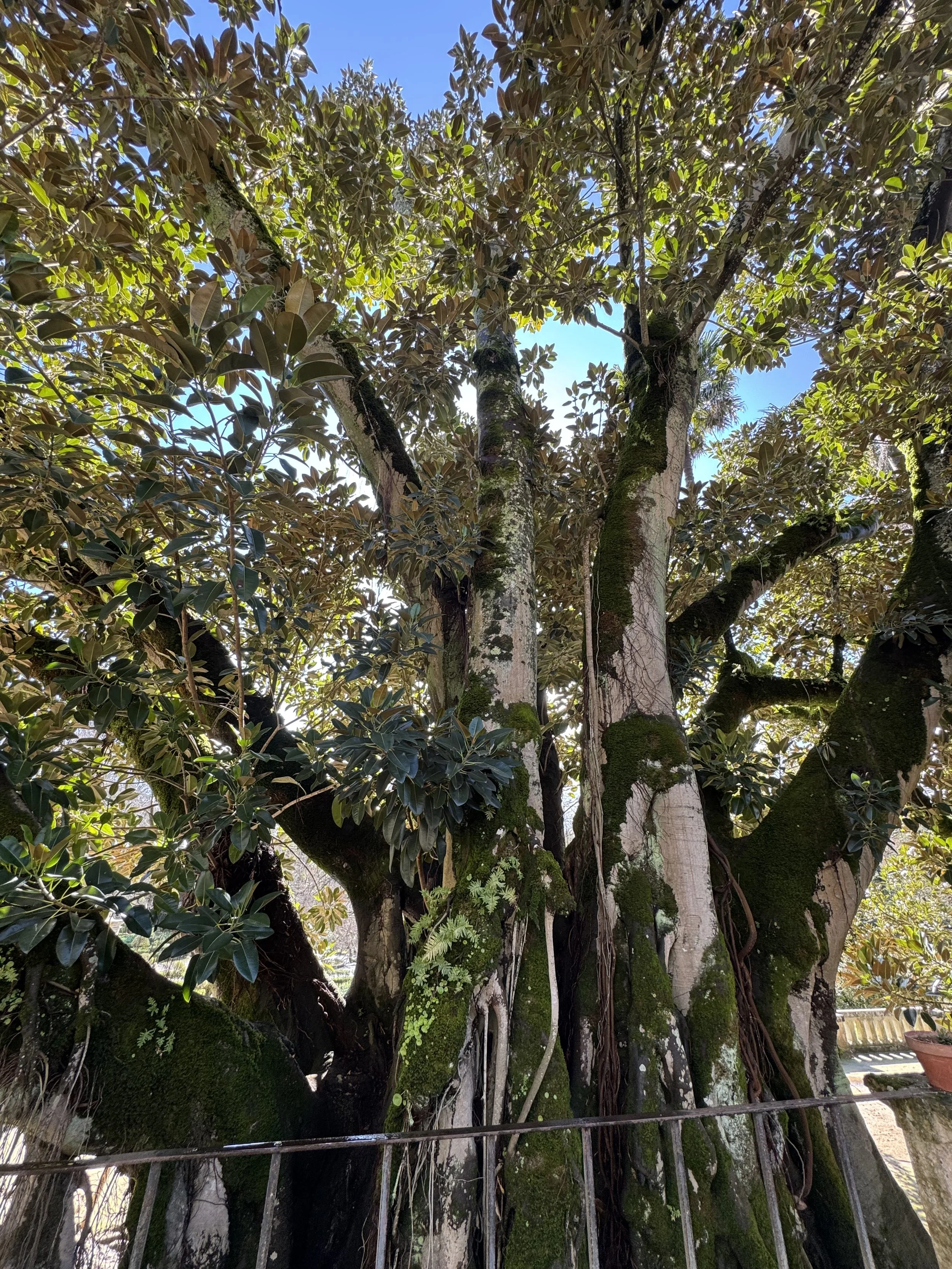
University Botanical Garden
Mondego's Green Park
Next, I headed to another green space, along the right bank of the Mondego River. I must admit that the main draw for me was the giant grass-covered bear sculpture situated in the heart of the park. I am a sucker for cute things, and bears especially. Once I was directly in front of the large green animal, I realized it wasn’t as exciting as the river beyond it. As I followed the river though, I found this wonderful pedestrian crossing - the Peter and Ines Bridge. The guard rails are inlaid with multi-colored glass, and as I walked across it, the rainbow of colors bounced, reflected from the sun above and the water below.
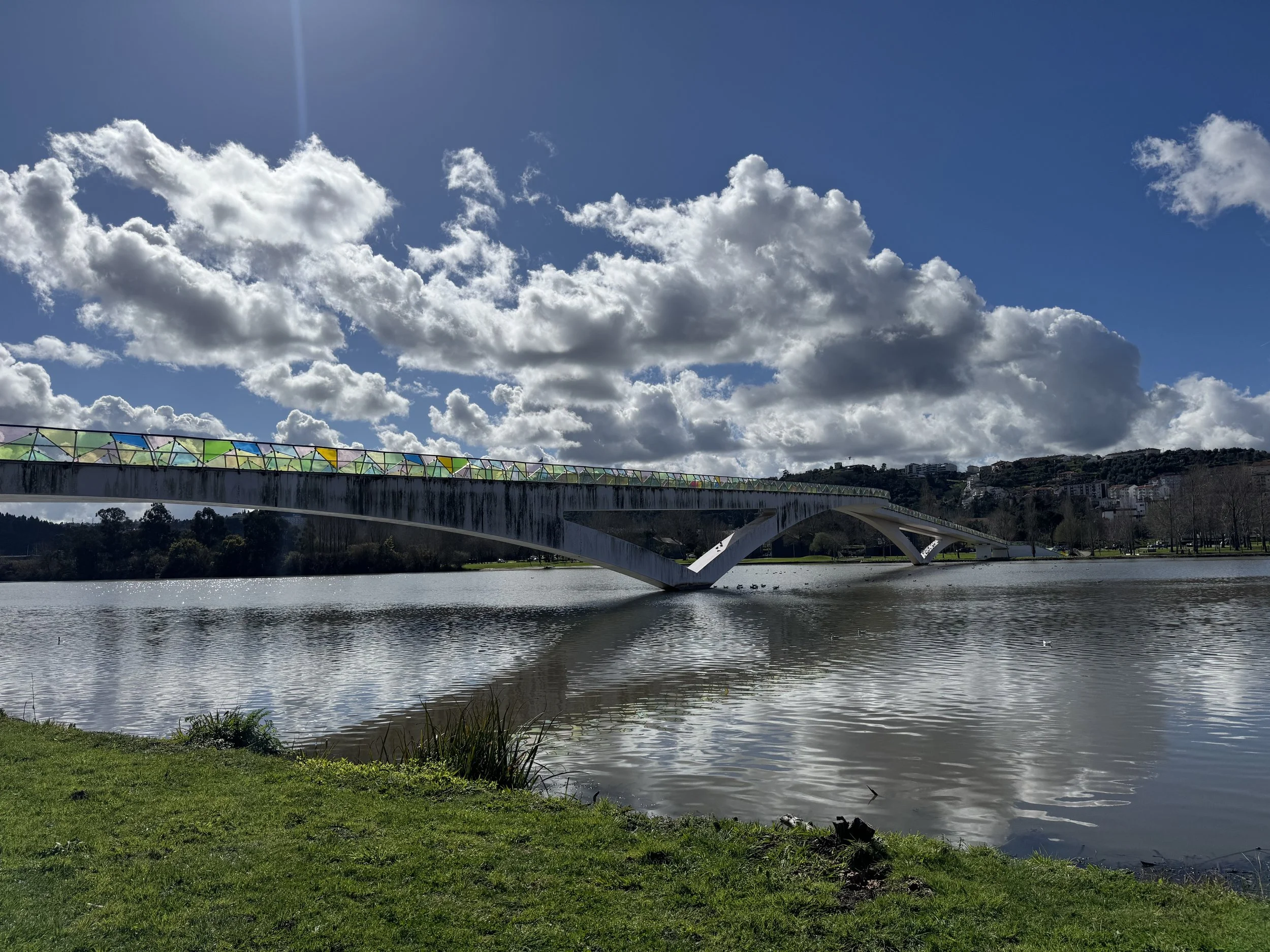
Ponte Pedonal Pedro e Inês
Observatório Geofísico e Astronómico da Universidade de Coimbra
Now, this may seem an odd excursion, especially in another country. I am not particularly interested in astronomy or science for that matter, but I do quite enjoy looking at stars and, more than that, I like learning new things. So, I found this observatory connected with the university and booked a tour of the planetarium and solar telescope. The display in the planetarium was a bit difficult to follow, as it was narrated in Portuguese. I was the only tour participant who spoke English. I had resigned myself to not being able to understand much and to just enjoy it anyway. But, as we headed to the solar telescope and the remaining part of the tour, one of the two guides went out of their way to talk to me one on one in English. It was so unexpectedly thoughtful and really made it a great experience.
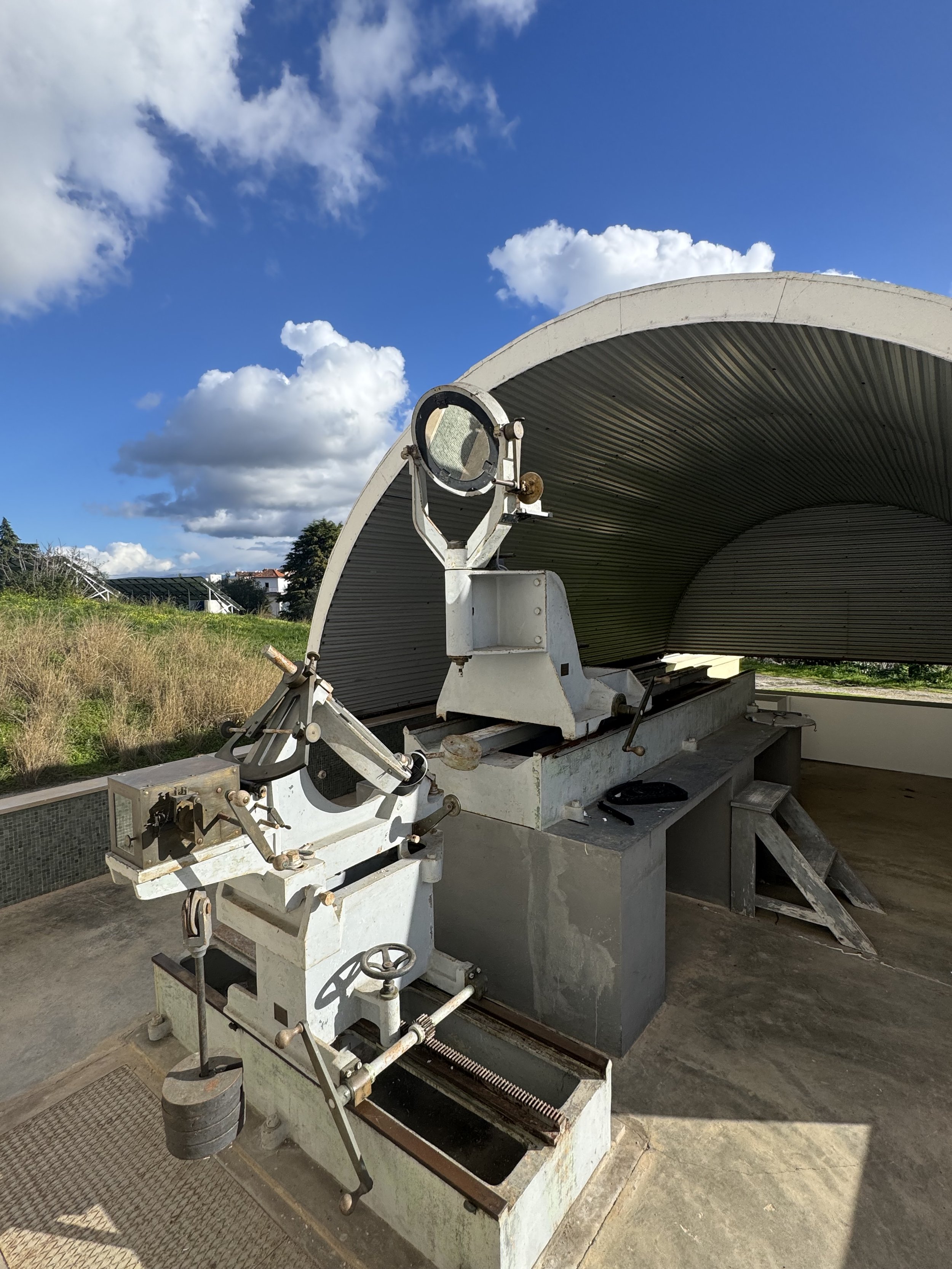
Solar Telescope
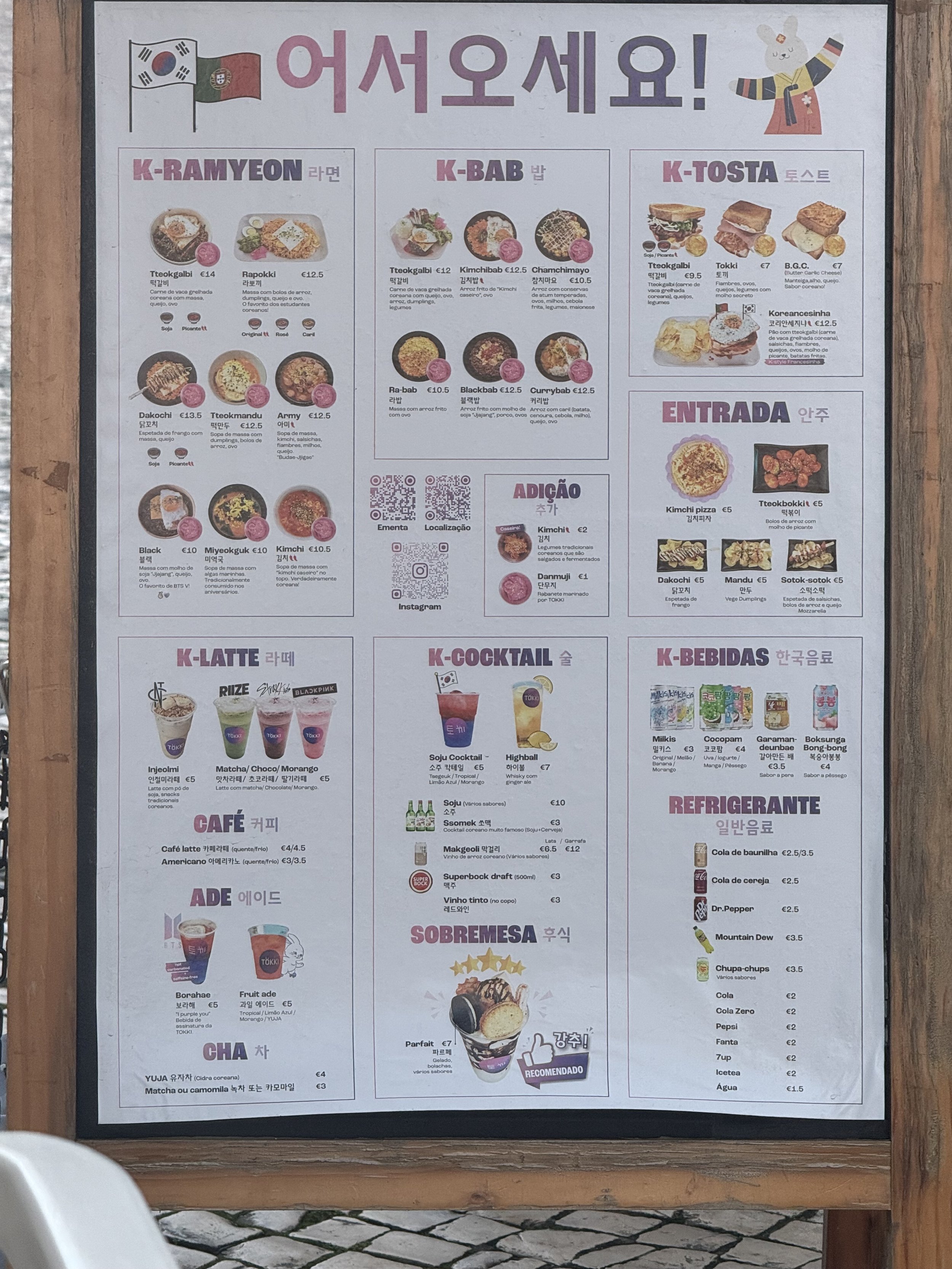
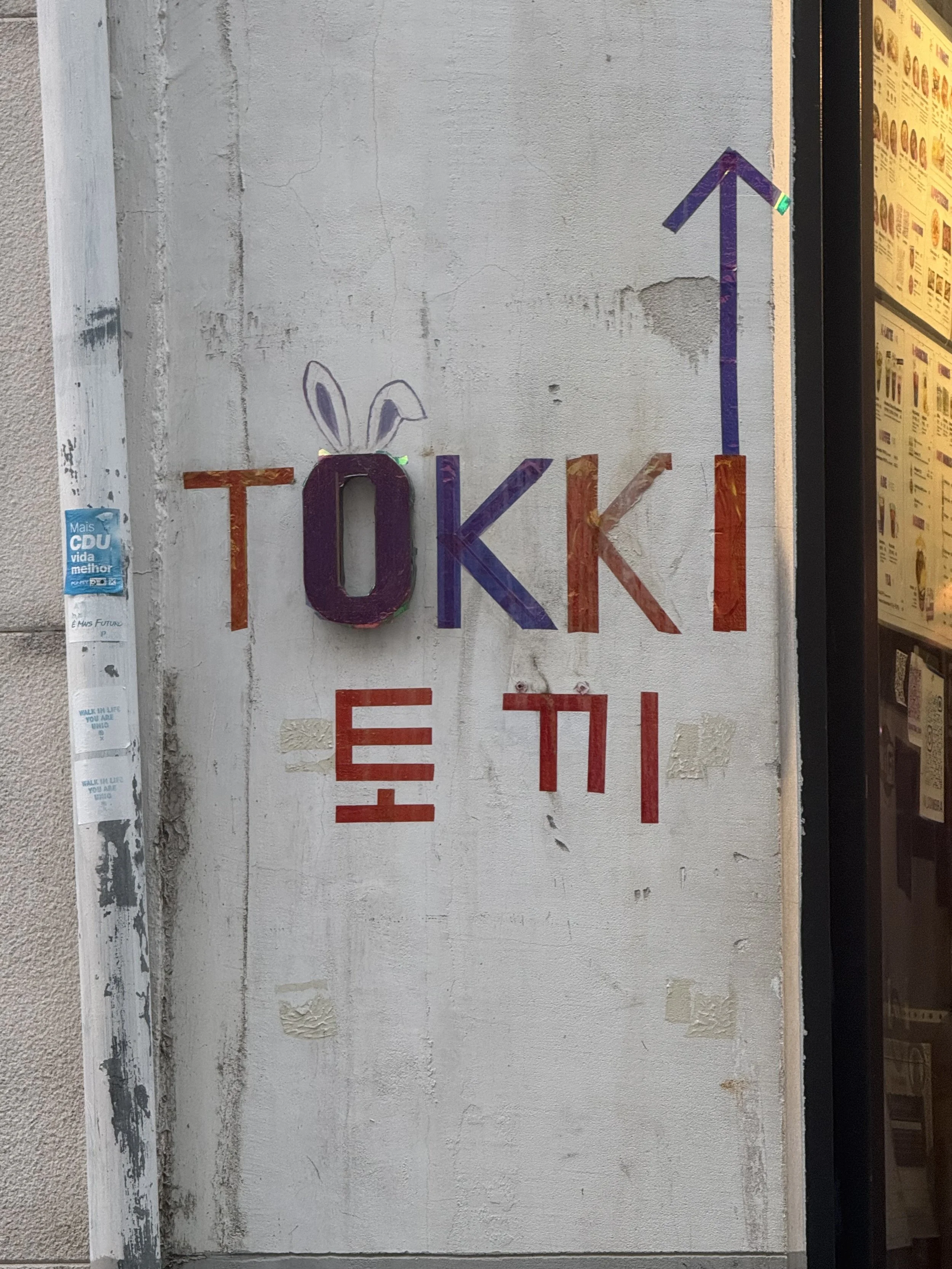
Restaurant - TOKKI
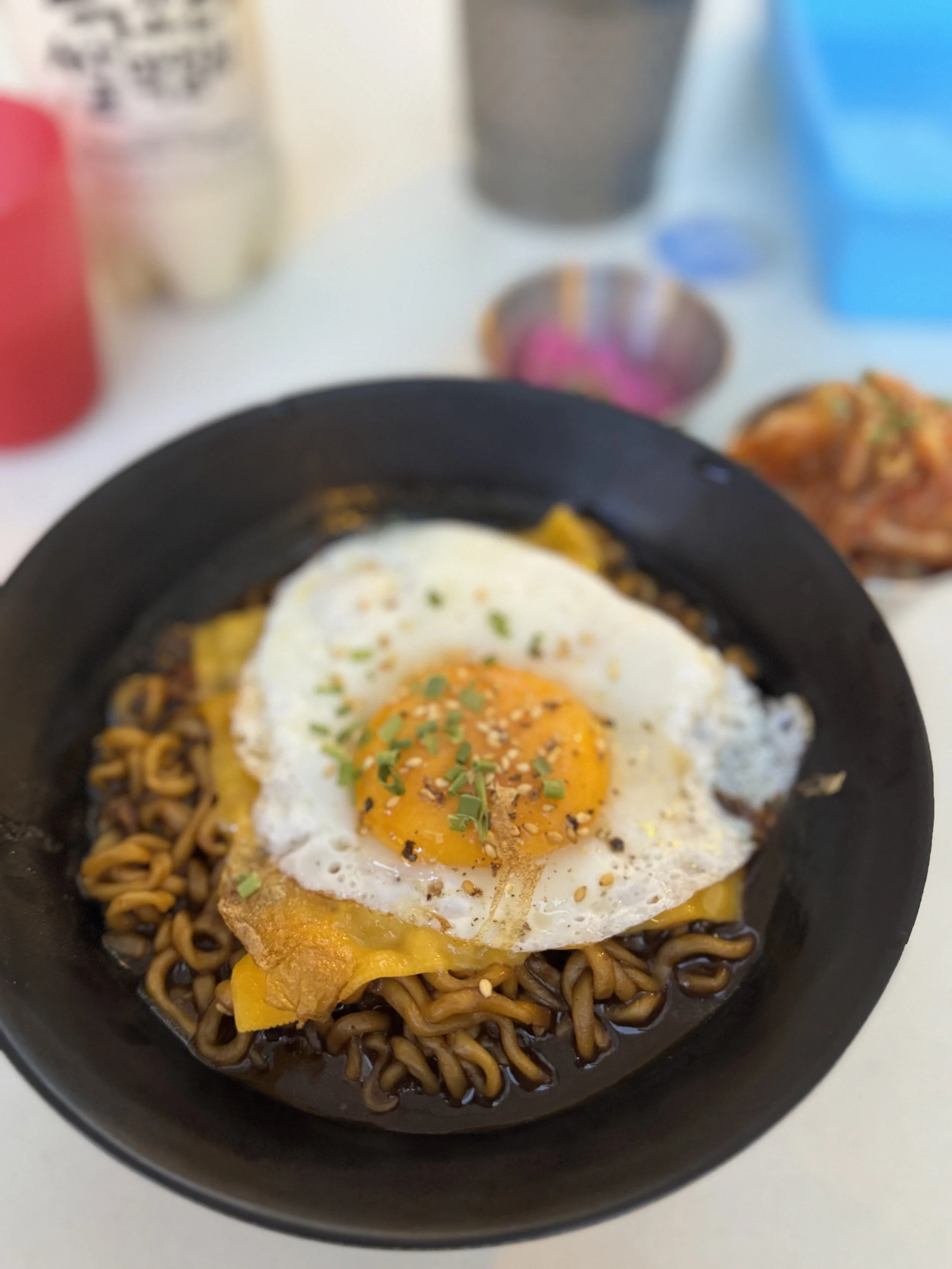
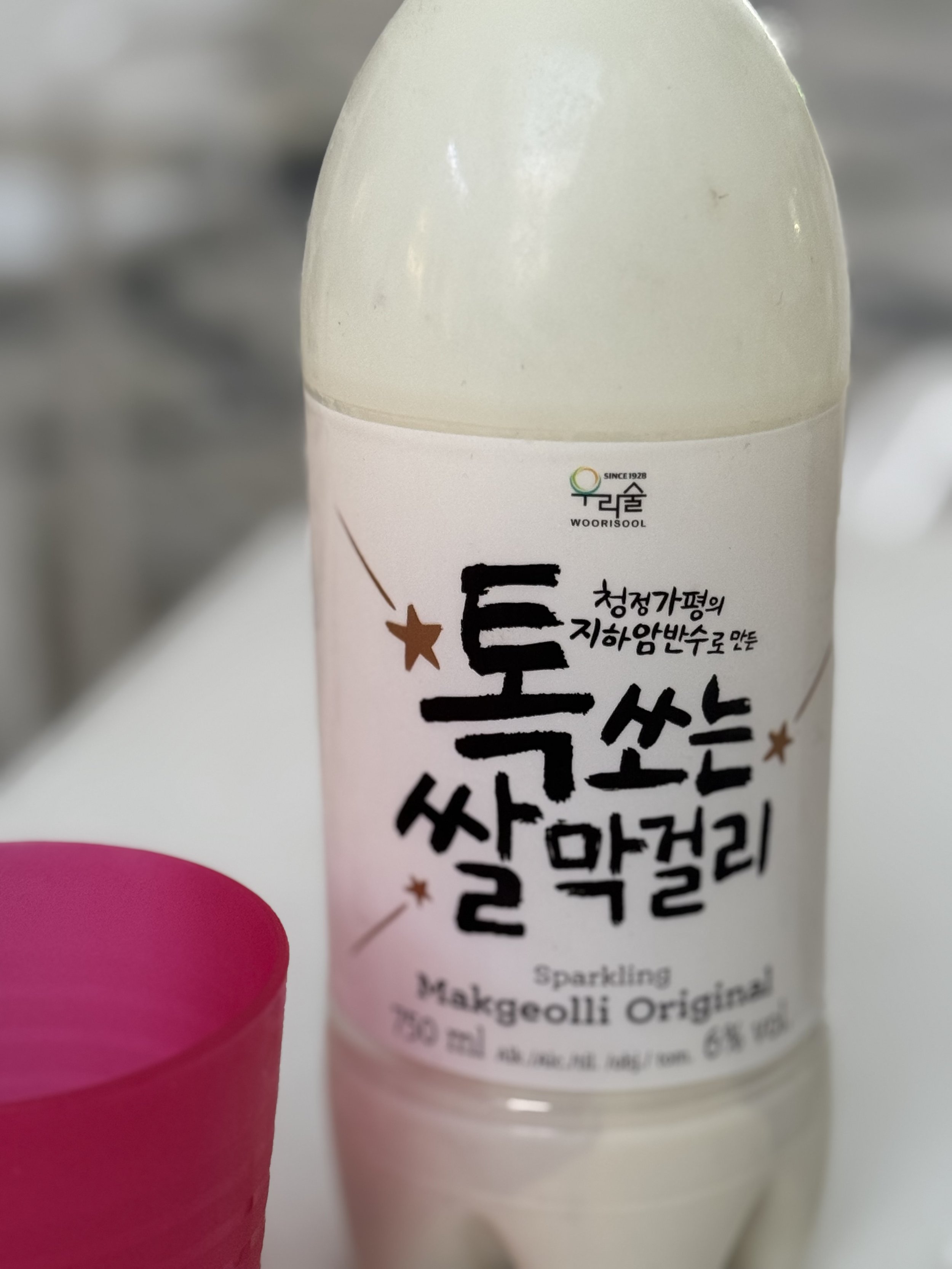
This was another small Korean restaurant in the center of Coimbra. I ordered some black bean noodles and a bottle of makgeolli. It was simple (jazzed up instant noodles), but tasty.
Choupal National Forest
On my last day in Coimbra, I headed to yet another green space, in the form of a national forest. As I walked through the tree-lined pathways and bamboo forests of Choupal, I couldn’t help but think of the national parks and forests in my own country. It is funny how sometimes visiting another country can make you yearn to visit your own. I walked around this forest in Portugal, having never done the same in America. At that point in my life, I think I had visited just one National Park - Redwood. A month after returning from Portugal, I headed out on a cross-country road trip with the goal of visiting national parks. What started as a two week trip turned into seven months on the road. I have since visited over thirty national parks and monuments, camped in dozens of national forests, and I can honestly say that Choupal National Forest helped me get there.
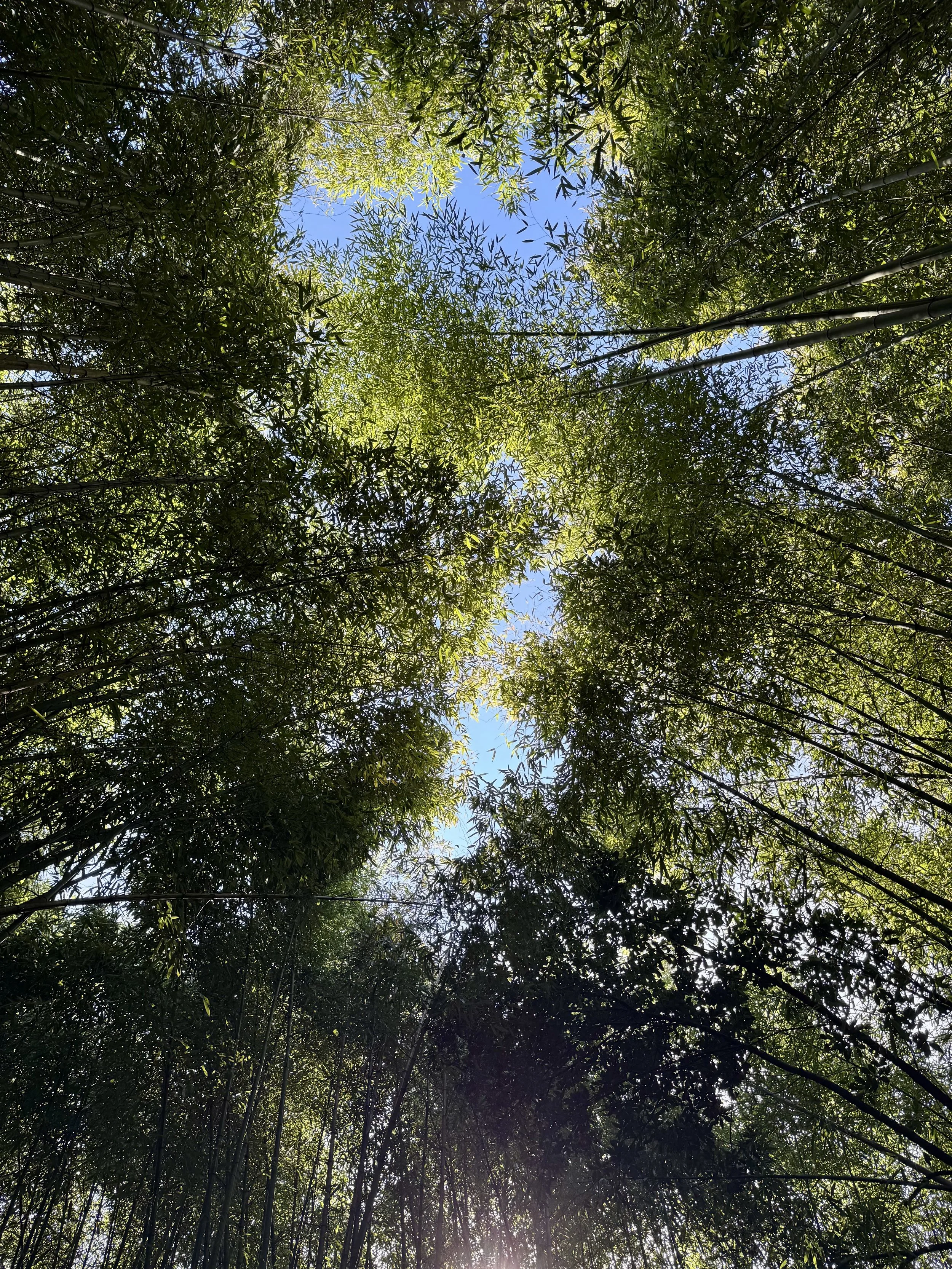
Bamboo Trees in Choupal National Forest
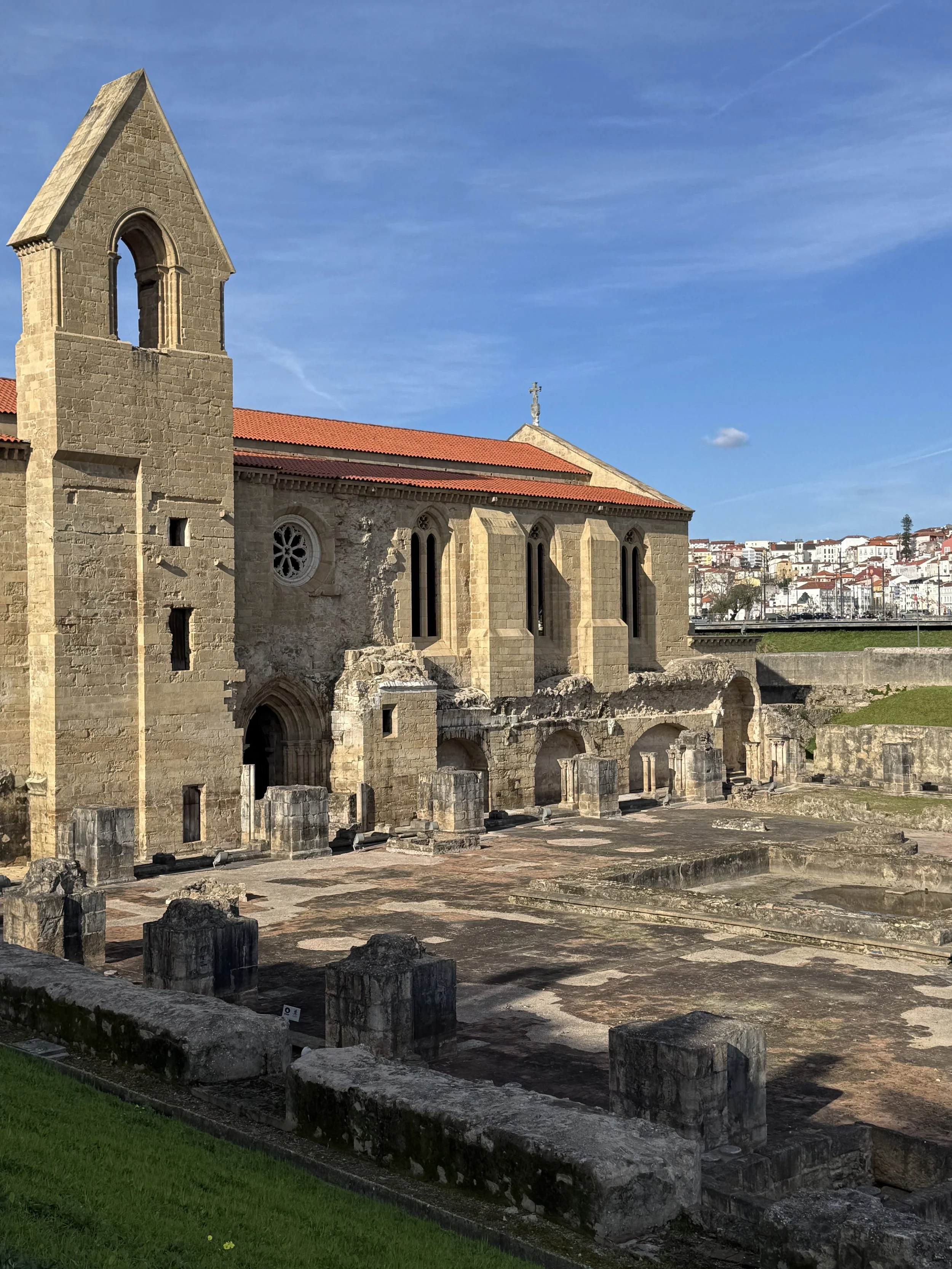
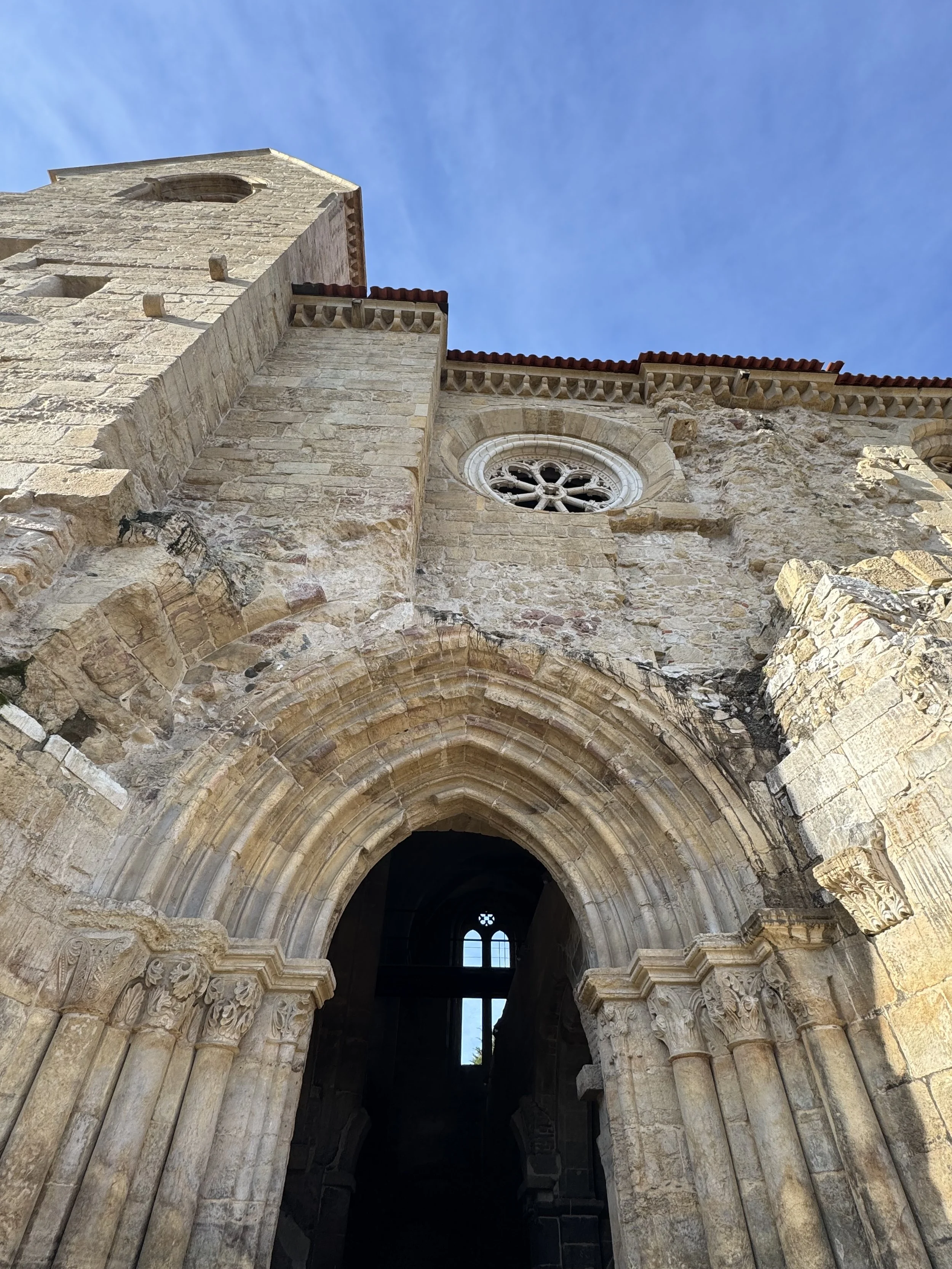
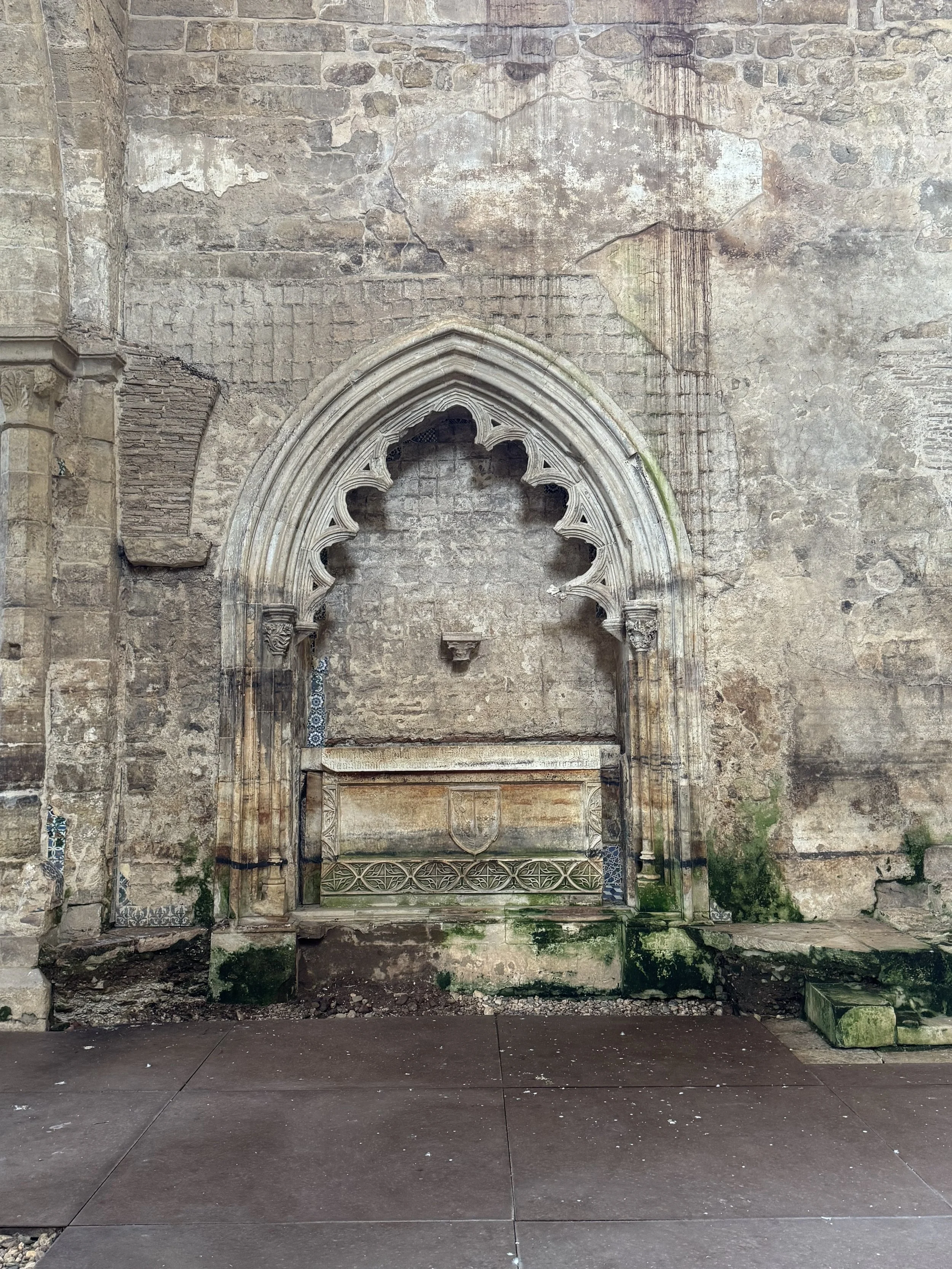
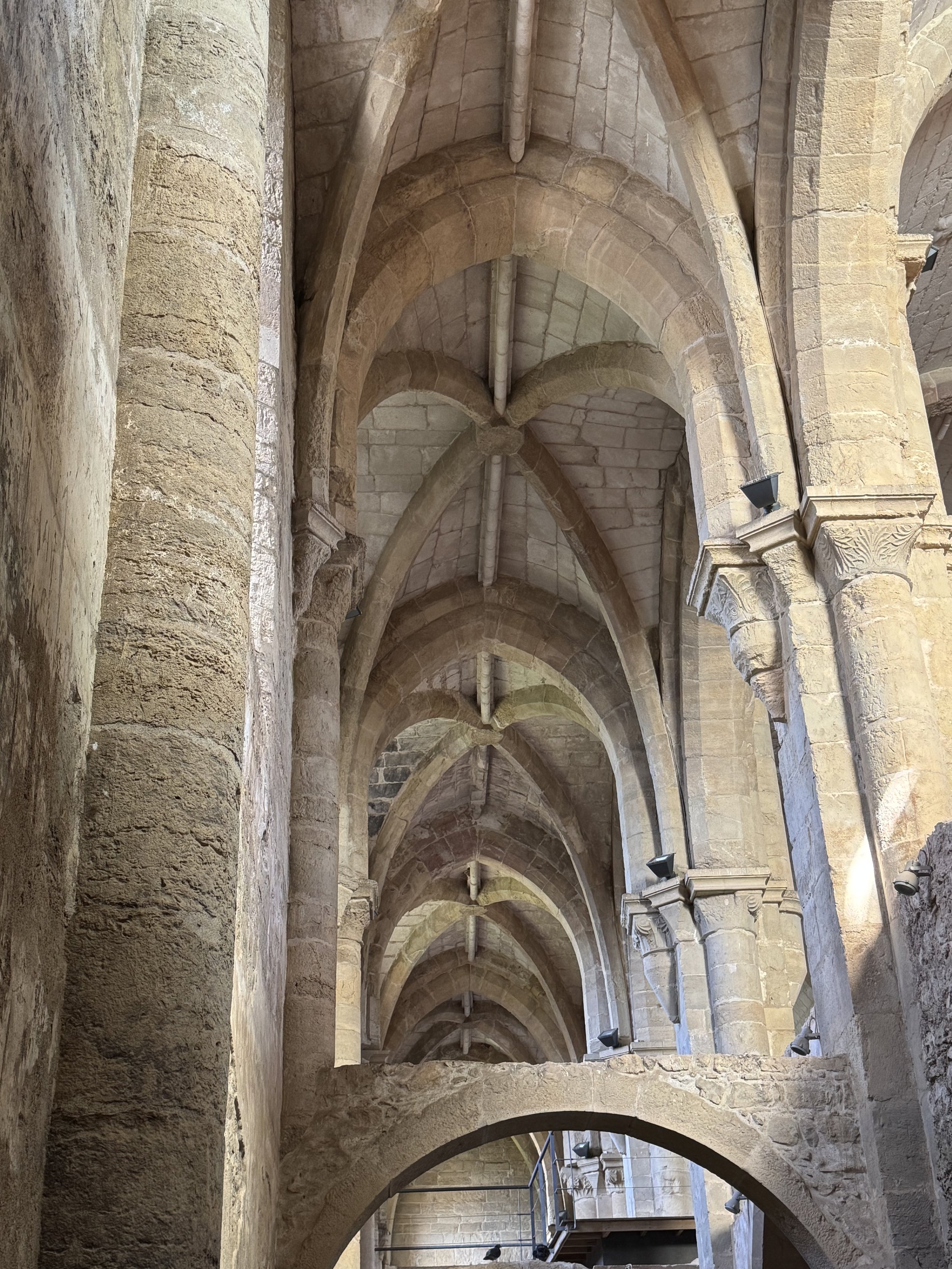
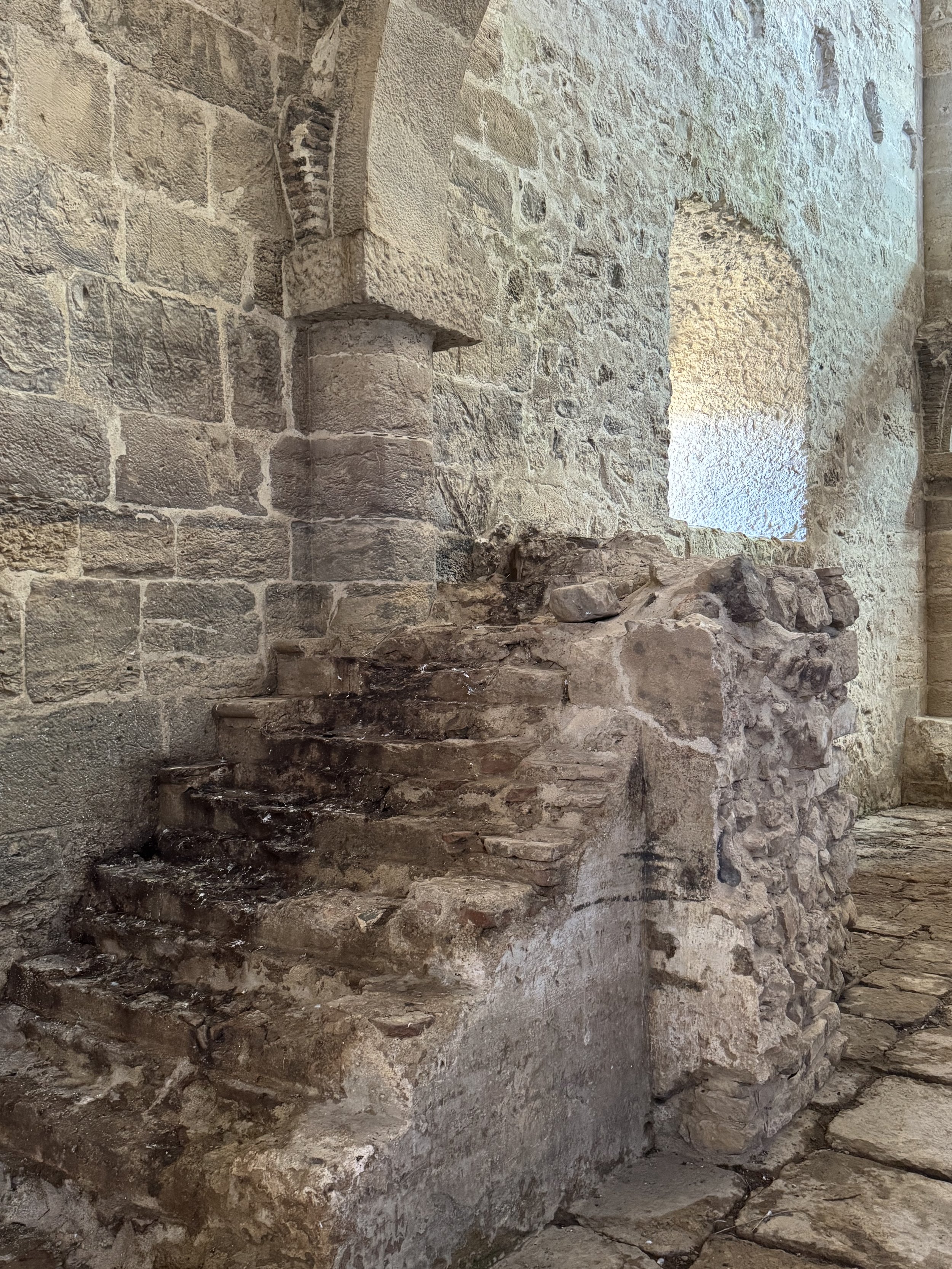
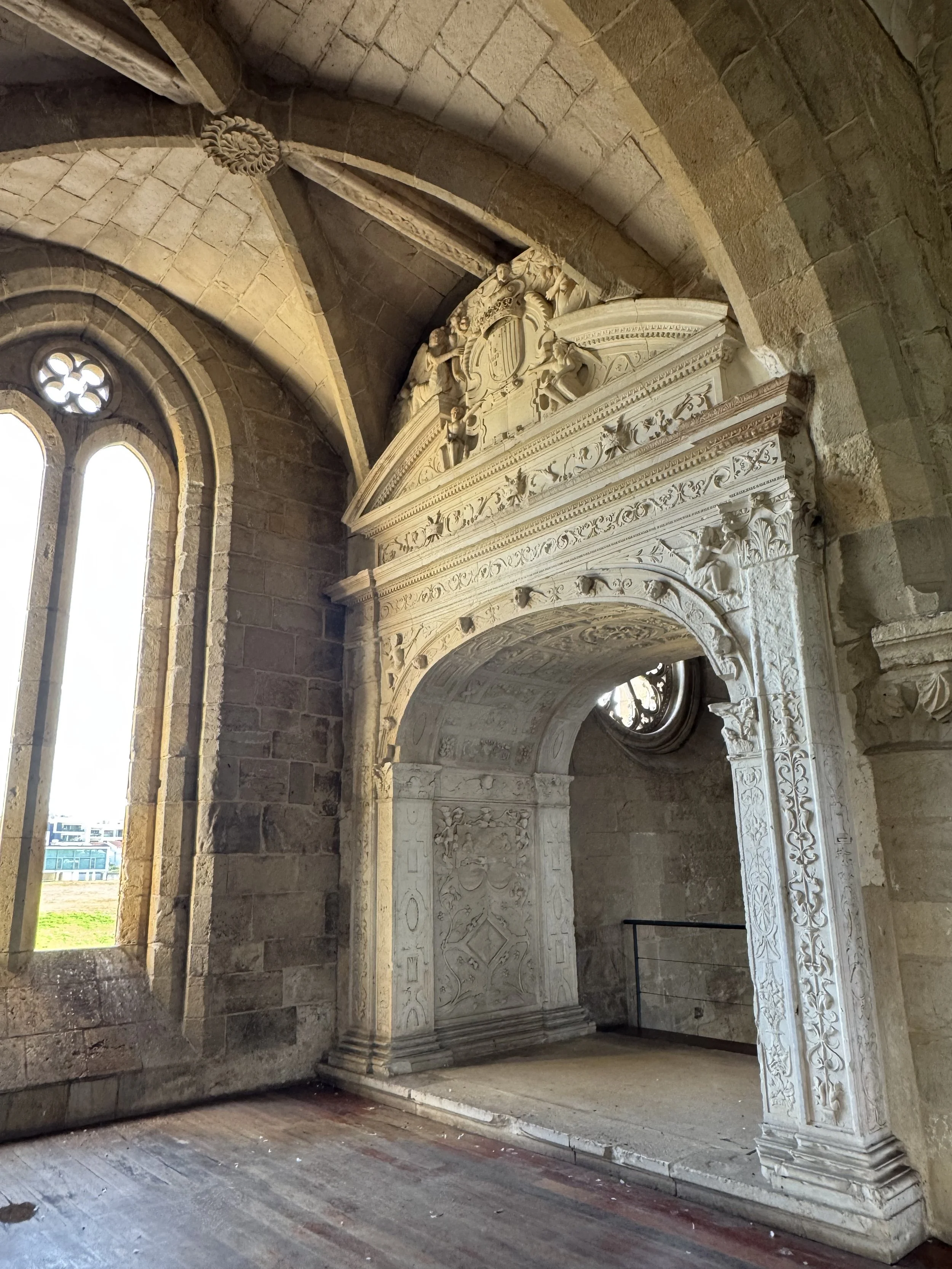
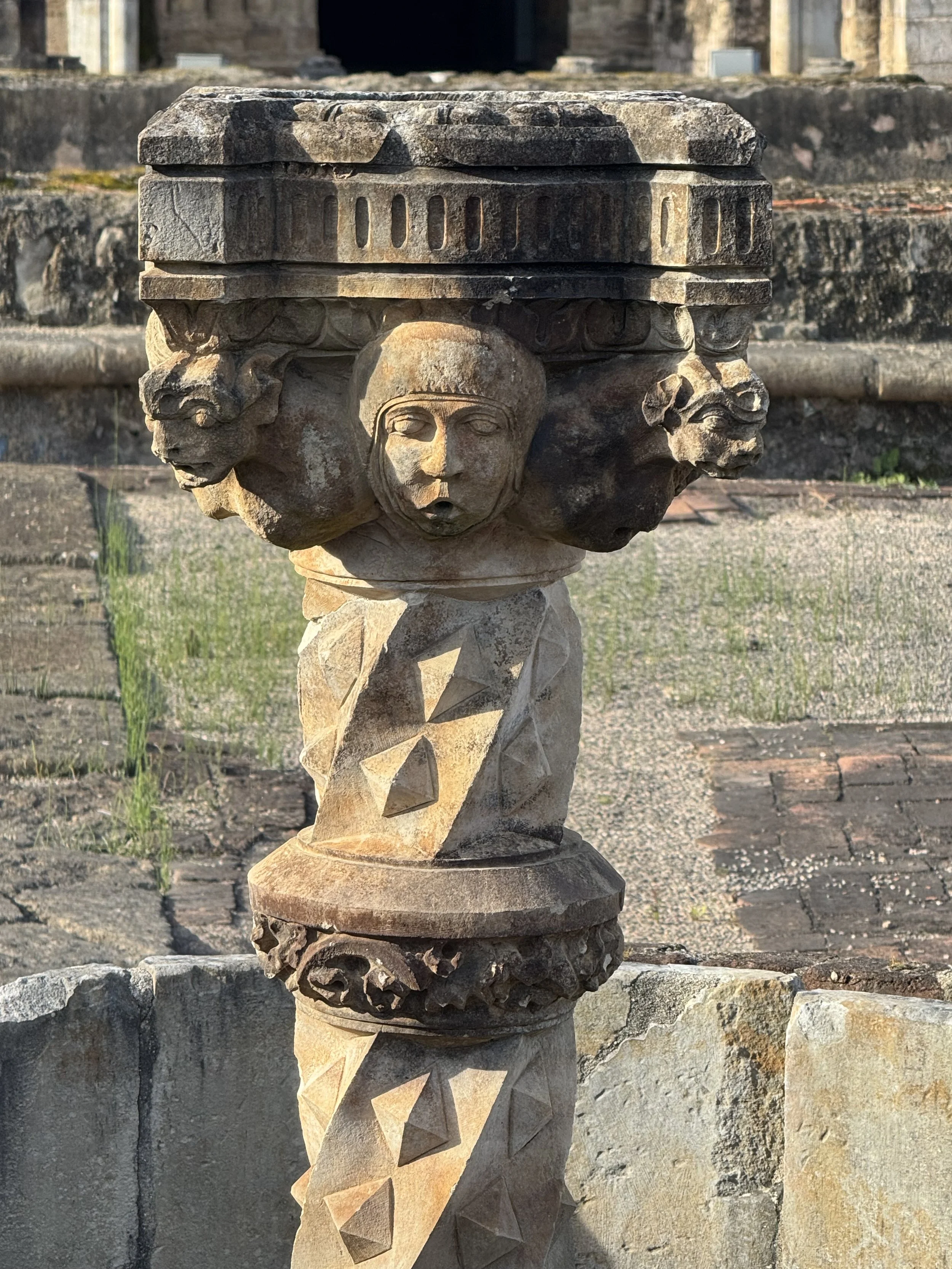
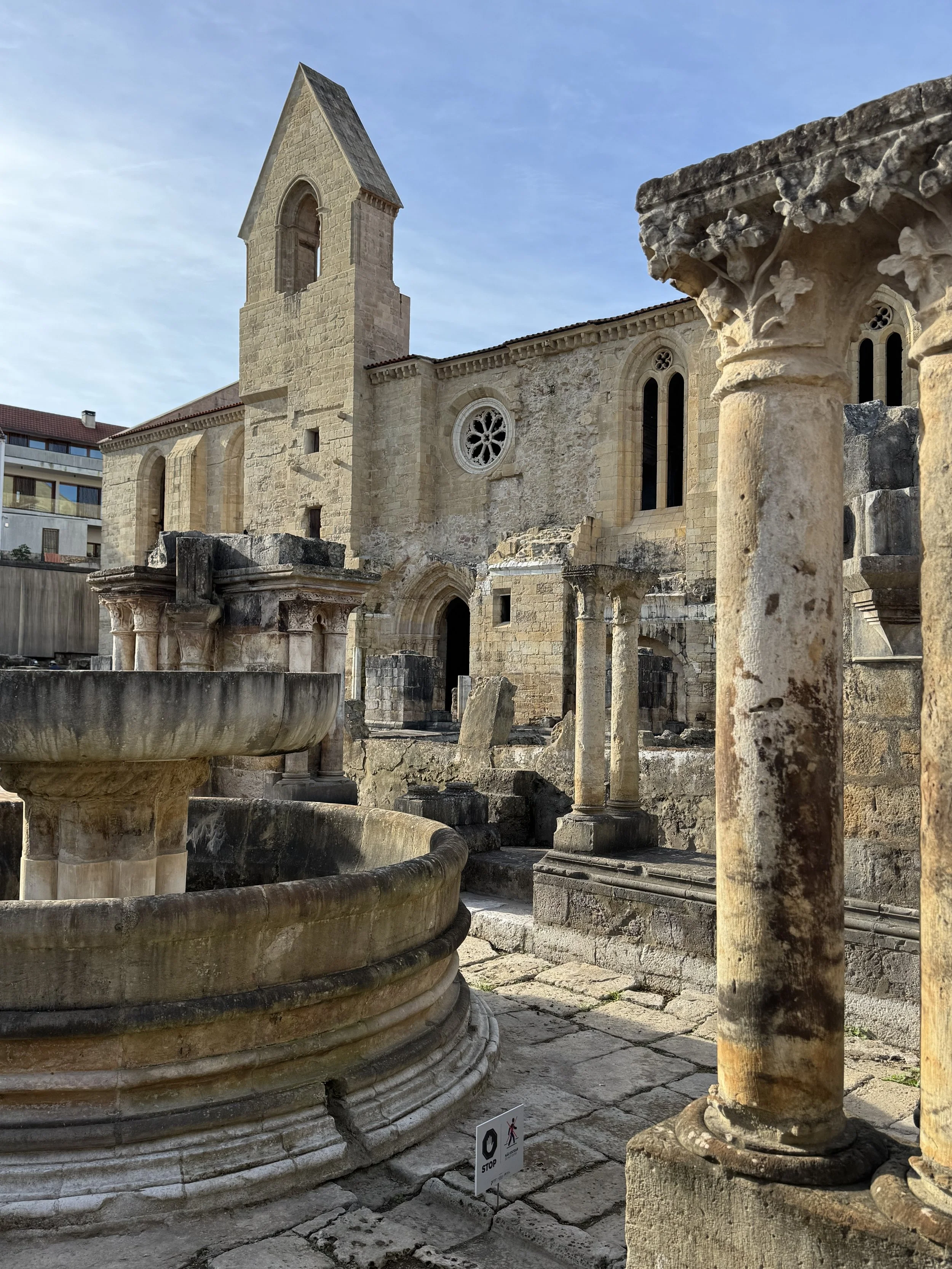
Mosteiro de Santa Clara-a-Velha
This convent was built in 1314 at the behest of Queen Saint Isabel of Aragon. The convent was abandoned in the late seventeenth century and is now in ruins. In the twentieth century, the building was partially restored and is now open for visitors to explore. While I am not Catholic, I do appreciate the influence religion has on history and, more pointedly, the importance of Catholicism for the Portuguese people. With more than seventy percent of the country’s population of the faith, I think you can safely deem the Portuguese devout. So, while I do not visit religious sites out of my own fervor, I still can gain much from the experience.
WHAT I WAS WATCHING:The Most Beautiful Girl in the World, When the Stars Gossip, American Ninja Warrior
